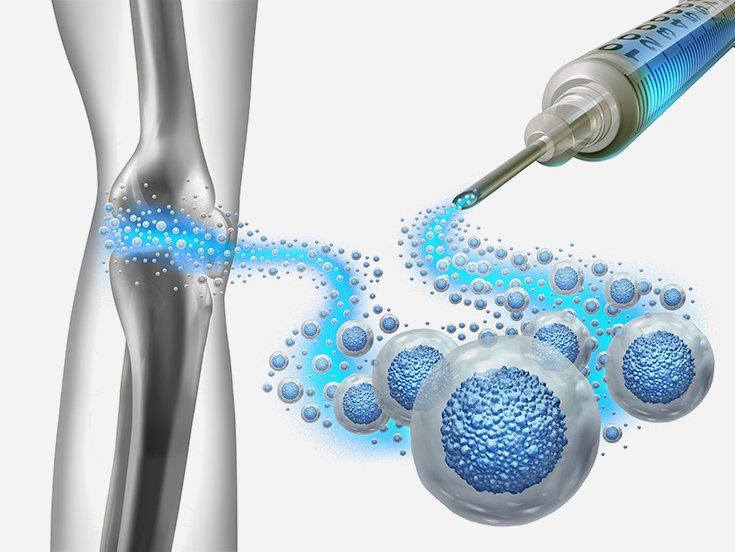
Persistent joint pain can affect walking, exercise, work, and everyday activities. Moreover, some patients may explore orthobiologic options after discussing standard treatments with an orthopedic specialist. Therefore, the first step should involve identifying the actual cause of pain rather than selecting a treatment based only on symptoms. In addition, your doctor may review imaging reports, joint movement, previous treatments, and your activity level before discussing available options. However, joint pain can develop from arthritis, injuries, cartilage problems, ligament damage, or several other causes. As a result, the most appropriate treatment depends on an accurate diagnosis and individualized medical advice.
Sports injuries can affect muscles, tendons, ligaments, cartilage, and bones. Moreover, athletes and active individuals often want treatment that fits their recovery goals and daily activity demands. Therefore, an orthopedic evaluation can help identify the injury and determine whether an orthobiologic option has a role in the overall treatment plan. In addition, your specialist may combine rehabilitation, activity modification, strength training, and other treatments according to the injury. However, biologic treatment does not automatically provide faster recovery for every sports injury. As a result, treatment should follow the injury type, severity, clinical findings, and available evidence.
Knee pain can develop because of arthritis, cartilage damage, tendon problems, ligament injuries, or sports-related trauma. Moreover, some patients may consider orthobiologics when they want to explore additional treatment options for selected knee conditions. Therefore, an orthopedic specialist should assess the knee carefully before recommending any procedure. In addition, physical examination and suitable imaging can help identify the underlying problem and guide treatment planning. However, not every knee condition needs biologic treatment, and some patients may benefit more from physiotherapy, medication, activity changes, or surgery. As a result, a personalized evaluation can help you understand which options may suit your knee condition.
Shoulder problems can limit lifting, reaching, sports activity, and routine movements. Moreover, tendon injuries, rotator cuff problems, joint degeneration, and other conditions can produce ongoing shoulder symptoms. Therefore, an orthopedic specialist may assess your shoulder function and medical history before discussing possible orthobiologic approaches. In addition, imaging can help provide more information about the structures involved when clinically appropriate. However, orthobiologic treatment may not suit every shoulder condition or every patient. As a result, a detailed consultation can help you understand whether a biologic approach has a reasonable role alongside rehabilitation or other treatments.
Tendon and ligament injuries can affect movement, strength, and stability. Moreover, active patients may experience these problems after sports injuries, repetitive stress, or sudden trauma. Therefore, identifying the exact tissue involved remains important before selecting any treatment. In addition, your orthopedic specialist may use examination findings and imaging to assess the injury and discuss appropriate options. However, orthobiologic procedures do not guarantee complete tissue repair, and recovery can vary considerably. As a result, doctors may recommend a combination of rehabilitation, rest, activity modification, and other suitable treatments based on the individual injury.
People with selected orthopedic conditions may ask their doctor about orthobiologic treatment when symptoms continue despite conventional care or when they want to understand additional options. Moreover, your age, activity level, diagnosis, previous treatment, medical history, and treatment goals can influence the discussion. Therefore, an orthopedic specialist should assess whether the expected benefits justify the procedure for your specific condition. In addition, your doctor can explain alternative treatments so that you can make an informed choice. However, having joint pain or an old injury does not automatically make you a candidate for orthobiologics. As a result, proper patient selection remains an important part of treatment planning.