
Meniscus Repair Surgery In Nagpur
Knee pain can make simple activities such as walking, climbing stairs, squatting, or playing sports difficult. A meniscus injury can occur when the cartilage inside the knee gets damaged because of a sudden twist, sports injury, fall, or age-related changes. Meniscus Repair Surgery In Nagpur can help suitable patients address a damaged meniscus while aiming to preserve healthy knee tissue. Moreover, an orthopedic specialist can evaluate your symptoms, knee movement, medical history, and imaging reports before suggesting treatment. In addition, the specialist can explain whether conservative care, rehabilitation, or surgery may suit your condition. Therefore, timely evaluation can help you understand your knee problem and make an informed decision about treatment.
What Is The Meniscus? | Meniscus Repair Surgery In Nagpur
The meniscus is a crescent-shaped piece of cartilage located between the thigh bone and shin bone inside the knee. Moreover, each knee has two menisci that help distribute pressure across the joint. In addition, they support knee stability and help the joint handle everyday movement. However, a tear can affect the way the knee moves and bears weight. As a result, some people may experience pain, swelling, stiffness, clicking, catching, or difficulty moving the knee. Therefore, a proper orthopedic evaluation can help identify the nature and location of the injury.
What Is Meniscus Repair Surgery?
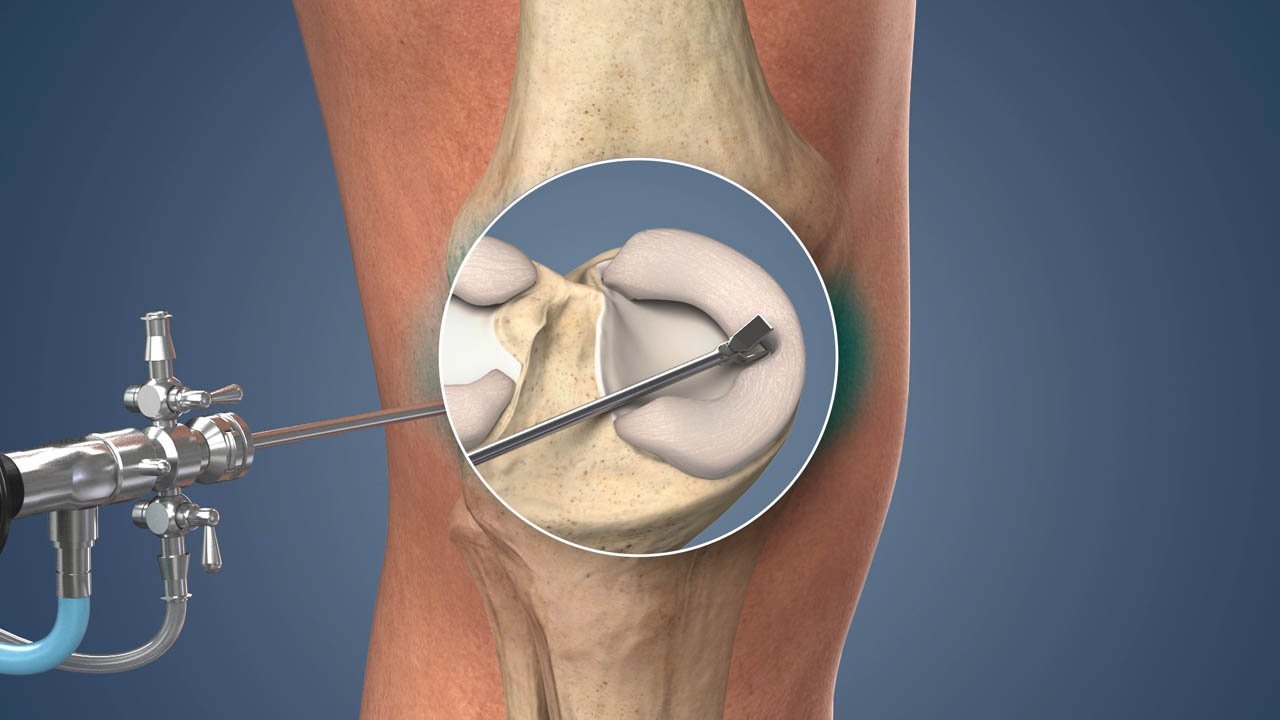
Meniscus repair surgery aims to repair a torn meniscus instead of removing the damaged portion whenever repair remains suitable. Moreover, surgeons may use minimally invasive techniques to access the knee joint and treat the tear. In addition, preserving healthy meniscus tissue can support the knee’s natural cushioning function. However, not every tear can undergo repair because factors such as tear location, tear pattern, blood supply, tissue quality, age, activity level, and overall knee condition can influence treatment decisions. Therefore, your orthopedic surgeon may recommend the most appropriate approach after examining your knee and reviewing imaging results.
Common Causes Of A Meniscus Tear
A meniscus tear can develop after a sudden twisting movement or direct impact on the knee. Moreover, sports such as football, cricket, basketball, wrestling, and other activities that involve quick direction changes can increase the risk of injury. In addition, repeated stress can contribute to meniscus damage over time. However, age-related changes can also make the meniscus more vulnerable to tearing during routine movements. As a result, symptoms can develop after both major injuries and relatively minor movements. Therefore, persistent knee pain or swelling deserves professional evaluation.
Symptoms Of A Torn Meniscus
A torn meniscus can cause different symptoms depending on the type and location of the injury. Moreover, common symptoms may include knee pain, swelling, stiffness, clicking, catching, or difficulty fully bending or straightening the knee. In addition, some people may feel discomfort while squatting, climbing stairs, running, or changing direction. However, symptoms can vary from person to person. As a result, the presence of knee pain alone cannot confirm a meniscus tear. Therefore, an orthopedic evaluation can help identify the possible cause and determine whether further tests may help.
When Should You See An Orthopedic Specialist?
You should consider an orthopedic consultation when knee pain continues after an injury or starts interfering with normal activities. Moreover, repeated swelling, restricted movement, clicking, catching, or difficulty putting weight on the knee can require professional attention. In addition, athletes should not ignore recurring knee symptoms simply because the discomfort temporarily improves. However, not every knee problem requires surgery. As a result, early evaluation can help identify suitable treatment options before you return to demanding physical activities. Therefore, consult an orthopedic specialist if your knee symptoms persist or worsen.
Book a Consultation Today
Our expert zenith hospital orthopedic team in Nagpur is here to help you move freely again. Book your consultation today.