
ACL Surgeon in Rewa: Personalised Care for ACL Injuries
Understanding an ACL Tear |ACL Surgeon In Rewa
Signs That May Indicate an ACL Injury
ACL injuries can produce different symptoms depending on the severity of the tear and whether other knee structures have suffered damage. Moreover, recognising these warning signs can help you decide when to seek professional assessment.
Common symptoms include:
Sudden pain following a twisting movement or awkward landing.
Noticeable knee swelling within a few hours of injury.
A popping sensation when the injury occurs.
Difficulty placing weight on the affected leg.
A feeling of instability during walking or turning.
Reduced ability to bend or straighten the knee.
Discomfort during running, jumping, or climbing stairs.
Therefore, arrange an orthopaedic assessment if these symptoms develop after an injury. However, seek urgent medical care if you cannot bear weight, experience severe pain, or notice an obvious change in your knee’s shape.
Why Choose an ACL Surgeon in Rewa for Knee Care?
Physiotherapy and Knee Rehabilitation
Physiotherapy helps restore knee movement, strengthen supporting muscles, and improve balance. Moreover, a qualified physiotherapist can adjust the programme according to your symptoms, functional ability, and treatment stage.
Your rehabilitation plan may involve:
Exercises to regain comfortable knee movement.
Progressive strengthening for the quadriceps and hamstrings.
Hip strengthening and balance activities.
Movement-control exercises for improved stability.
Gradual functional training for everyday tasks.
Sport-specific drills when your recovery permits.
Therefore, follow your therapist’s guidance and increase exercise intensity gradually. In addition, avoid demanding movements that worsen your symptoms, and obtain medical clearance before returning to running or competitive sports.
ACL Reconstruction Surgery
Your surgeon may recommend ACL reconstruction if knee instability continues to interfere with daily activities or sports. Moreover, people who want to return to activities involving pivoting, jumping, and rapid direction changes may benefit from a detailed surgical assessment.
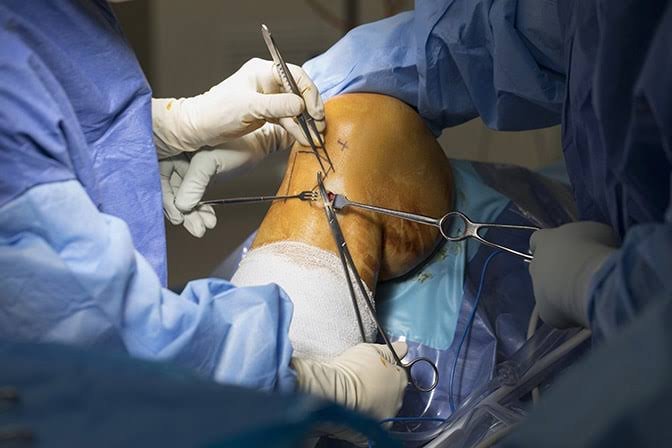
During reconstruction, the surgeon uses a tendon graft to replace the damaged ligament. Depending on your circumstances, the graft may come from your own body or a donor. Surgeons commonly perform this procedure using arthroscopic techniques, which involve small incisions and a camera to guide the operation. However, the most appropriate surgical plan depends on your injury, associated damage, activity requirements, and overall health. Therefore, discuss graft selection, potential complications, rehabilitation, and expected outcomes with your surgeon before making a decision.
Rehabilitation Before ACL Surgery | ACL Surgeon In Rewa
Some patients benefit from a period of rehabilitation before reconstruction. Moreover, reducing swelling, improving knee extension, and restoring muscle control can help prepare the knee for surgery and postoperative exercises.
Therefore, follow your doctor’s recommendations regarding strengthening and mobility exercises. However, your specialist may modify the programme if you have additional ligament damage, a meniscus injury, or other medical concerns.
How Appropriate ACL Treatment Can Help
A well-planned treatment programme aims to improve knee function and support a safe return to daily activities. Moreover, your results will depend on the injury, chosen treatment, rehabilitation progress, and individual health factors.
Potential treatment goals include:
Improving knee stability during movement.
Restoring comfortable bending and straightening.
Building strength in the surrounding muscles.
Improving balance and movement coordination.
Supporting a gradual return to physical activity.
Reducing instability-related limitations.
However, surgery cannot guarantee that every patient will regain their previous sporting performance. Therefore, consistent rehabilitation, follow-up assessments, and realistic recovery goals remain important throughout treatment.
Practical Ways to Protect Your Knees | ACL Surgeon In Rewa
Good training habits and consistent conditioning can help improve movement control and reduce the risk of certain knee injuries. Moreover, your physiotherapist can recommend preventive exercises based on your sport, fitness level, and physical needs.
Begin each workout with an appropriate warm-up.
Strengthen your thigh, hip, and leg muscles.
Practise controlled jumping and landing movements.
Improve balance and coordination through regular training.
Increase exercise intensity in manageable stages.
Use suitable footwear for your activity.
Maintain correct movement techniques during sports.
Follow professional guidance throughout ACL rehabilitation.
However, these measures cannot prevent every injury. Therefore, seek an assessment if your knee develops repeated swelling, persistent pain, or instability during everyday movement.
When to Consult an ACL Specialist in Rewa
Knee pain and instability can affect your ability to work, exercise, and move confidently. Moreover, an early medical assessment can help identify the injury and determine whether you need imaging, physiotherapy, or surgical evaluation.
Consider consulting an orthopaedic specialist if you experience:- Swelling following a sudden knee twist.
- Difficulty straightening or bending your leg.
- Repeated knee buckling during movement.
- Pain that limits walking or physical exercise.
- Continued instability after completing rehabilitation.
- Difficulty returning to your usual activity level.
Frequently Asked Questions | ACL Surgeon In Rewa
1. What does an ACL surgeon do?
2. Can an ACL tear heal without surgery?
3. Which scan can detect an ACL tear?
4. How long does ACL reconstruction recovery take?
5. Can physiotherapy help an ACL injury?
6. Can I walk with a torn ACL?
Book a Consultation
Knee instability can make everyday movement and physical exercise less comfortable. Moreover, an orthopaedic consultation can help you understand the reason for your symptoms and identify suitable treatment options. If you suspect an ACL tear or experience repeated knee buckling after an injury, consider arranging an appointment with an ACL surgeon in Rewa.
During your consultation, explain how the injury occurred, describe your current symptoms, and share your recovery goals. Therefore, your doctor can assess your knee and recommend the next step, which may include an MRI, physiotherapy, activity modification, or surgical evaluation. In addition, ask about recovery expectations and follow-up care so you can prepare for the rehabilitation process.
Take a positive step toward better knee function. Book an orthopaedic consultation in Rewa to discuss your ACL symptoms and explore a treatment plan suited to your needs.
Call Now: +91-7798189358+91-7798189358+91-7798189358+91-7798189358
Book Online:https://www.drambardaware.com/contact-us/
Location: Zenith Hospital – plot No,141,Garden Rd,Om Sai Nagar,Shivaji Nagar,Nagpur,Maharashtra 440010
Viveka Hospital -Plot No 1A, Naik Layout, Parsodi,Subhash Nagar, Nagpur, Maharashtra ,440022