
Laser Knee Surgeon in Rewa: Explore Treatment Options for Knee Pain
Understanding Laser Knee Treatment | Laser Knee Surgeon In Rewa
Signs That You Should Consult a Knee Specialist
Knee problems can develop slowly or begin after a sudden injury. Furthermore, symptoms may become more noticeable during physical activity or after long periods of sitting. You should consider an orthopedic assessment when discomfort repeatedly interferes with your routine.
Watch for these common symptoms:
Pain while walking or climbing stairs.
Swelling around the knee joint.
Stiffness after sitting or resting.
Difficulty bending or straightening the knee.
A feeling that the knee may give way.
Discomfort during exercise or routine household activities.
Reduced movement compared with your usual ability.
Knee pain that persists despite appropriate self-care.
These symptoms can have different causes. Consequently, a proper examination can help your doctor identify the problem and recommend suitable treatment rather than relying on symptoms alone.
Laser Knee Surgery, Arthroscopy, and Knee Replacement: What Is the Difference?
Many patients search online for laser knee surgery because they want effective treatment and a comfortable recovery. However, understanding the differences between available procedures can help you make a more informed decision.
Laser-based techniques: The term refers to the use of laser technology in specific medical applications. It does not automatically mean that a surgeon can treat every type of knee damage with a laser. Ask the provider which procedure they offer and whether clinical evidence supports its use for your diagnosis.
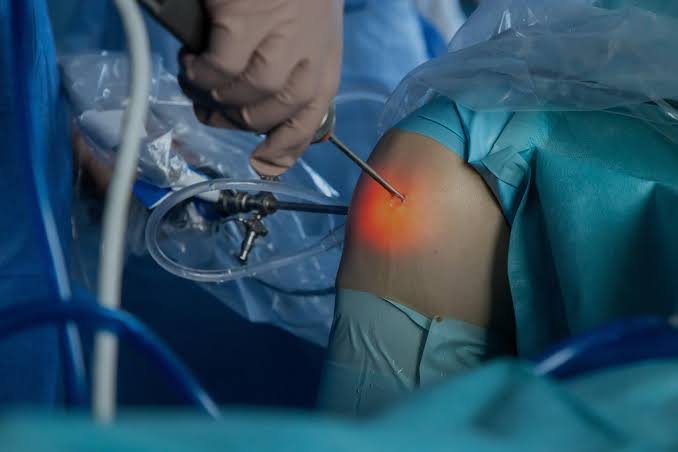
Knee arthroscopy: This procedure allows a surgeon to examine or treat selected joint problems using a small camera and specialized instruments inserted through small incisions. However, arthroscopy does not generally reverse advanced osteoarthritis.
Knee replacement surgery: During this operation, the surgeon replaces damaged joint surfaces with artificial components. Doctors may recommend this procedure for severe arthritis when other appropriate treatments no longer provide sufficient relief.
Therefore, discuss the expected benefits, risks, alternatives, and recovery requirements with your orthopedic surgeon before choosing a procedure.
Advantages of an Appropriate Knee Surgery
When conservative treatment does not adequately address a diagnosed knee problem, surgery may offer benefits for selected patients. Moreover, surgeons can choose techniques that match the damaged structures and the patient’s functional needs.
Depending on the procedure and condition, potential benefits may include:- Addressing a specific structural problem inside the knee.
- Reducing symptoms caused by the treated condition.
- Improving movement and everyday function.
- Supporting a return to suitable activities after rehabilitation.
- Providing a treatment plan based on individual clinical findings.
How Orthopedic Doctors Assess Knee Pain
A thorough assessment helps your specialist understand why your knee hurts and which treatments may help. During the consultation, the doctor may ask about previous injuries, symptom duration, activity levels, and treatments you have already tried. In addition, the examination may include checks for swelling, tenderness, flexibility, muscle strength, and joint stability.
Your doctor may recommend the following investigations when necessary:- X-rays: These images help assess bone structure, joint alignment, and signs of arthritis.
- MRI scans: These scans provide detailed images of structures such as ligaments, menisci, and cartilage.
- Blood tests: Doctors may request these tests when symptoms suggest certain inflammatory or other medical conditions.
- Physical assessment: Movement and stability tests help the specialist evaluate knee function.
Non-Surgical Options Before Knee Surgery | Laser Knee Surgeon In Rewa
Surgery is not the only way to manage knee discomfort. In many cases, appropriate conservative treatment can help patients improve movement and manage symptoms. Moreover, your specialist can adjust the treatment plan according to your response.
Depending on the diagnosis, options may include:- Guided physiotherapy and strengthening exercises.
- Adjustments to activities that aggravate knee pain.
- Weight management when medically appropriate.
- Medication prescribed or recommended by a healthcare professional.
- Braces or walking aids for selected conditions.
- Other condition-specific treatments discussed with your doctor.
When Might an Orthopedic Surgeon Recommend Surgery?
Recovery and Rehabilitation After Knee Surgery | Laser Knee Surgeon In Rewa
Recovery depends on the type of operation, the severity of the original condition, and your general health. Furthermore, different procedures require different levels of protection, movement, and rehabilitation.
Your care plan may include the following stages:
Initial recovery: Follow the healthcare team’s instructions for wound care, prescribed medicines, and safe movement.
Mobility exercises: Begin the movements your surgeon or physiotherapist recommends for your procedure.
Strength building: Gradually develop muscle strength and joint control when your care team confirms that you can progress.
Everyday activities: Increase walking and routine tasks according to your recovery plan.
Choosing a Laser Knee Surgeon in Rewa
Finding the right specialist involves evaluating medical qualifications, relevant experience, treatment recommendations, and follow-up support. Moreover, a good consultation should help you understand your diagnosis without creating unrealistic expectations.
Before selecting a Laser Knee Surgeon in Rewa, consider these important points:
Qualifications and training: Review the surgeon’s orthopedic credentials.
Experience with your condition: Ask whether the specialist regularly treats your particular knee problem.
Diagnostic approach: Choose a doctor who evaluates your symptoms and relevant investigations before recommending surgery.
Clear communication: Ensure the surgeon explains the procedure, possible risks, and expected benefits.
Treatment alternatives: Ask about physiotherapy, medication, and other suitable options.
Transparent pricing: Request a written estimate of the expected expenses.
Rehabilitation planning: Confirm the arrangements for postoperative reviews and physiotherapy.
Most importantly, ask the surgeon what they mean by laser knee surgery and whether that approach suits your diagnosis. This conversation can help you distinguish evidence-based care from broad promotional claims.
Frequently Asked Questions | Laser Knee Surgeon In Rewa
1. What does a laser knee surgeon treat?
2. Is laser knee surgery suitable for everyone?
3. Can laser treatment cure knee arthritis?
4. Can I manage knee pain without surgery?
5. How long does knee surgery recovery take?
6. How much does knee surgery cost in Rewa?
Book a Consultation
Persistent knee discomfort deserves proper attention, especially when it limits walking, exercise, or daily responsibilities. Moreover, an orthopedic consultation can help you identify the cause of your symptoms and explore treatments that suit your needs.
Before your appointment, prepare a brief history of your pain, previous treatments, current medicines, and any relevant X-rays or MRI reports. This information can help your doctor understand your concerns and plan the next steps.
Looking for a Laser Knee Surgeon in Rewa? Contact an orthopedic clinic to book a consultation, discuss your knee symptoms, and learn which treatment options may suit your condition.
Whether you have knee pain after a match, shoulder discomfort during gym workouts, recurring ankle sprains, or a suspected muscle injury, consult a qualified orthopedic specialist for individual guidance. Your doctor can recommend suitable investigations and coordinate treatment or rehabilitation according to your needs.
Schedule your consultation today and take the first step towards better mobility and a more active life.
Call Now: +91-7798189358+91-7798189358+91-7798189358+91-7798189358
Book Online:https://www.drambardaware.com/contact-us/
Location: Zenith Hospital – plot No,141,Garden Rd,Om Sai Nagar,Shivaji Nagar,Nagpur,Maharashtra 440010
Viveka Hospital -Plot No 1A, Naik Layout, Parsodi,Subhash Nagar, Nagpur, Maharashtra ,440022