
ACL Surgeon in Satna: Specialized Care for ACL Tears and Knee Instability
Signs That You May Need an ACL Specialist | ACL Surgeon In Satna
- Sudden discomfort following a knee twist or awkward landing.
- Swelling that appears shortly after the injury.
- A popping sensation when the knee gets injured.
- Difficulty bending or straightening your leg.
- Knee instability during walking or turning.
- Trouble bearing weight on the affected leg.
- Reduced confidence when performing physical activities.
- Repeated episodes of swelling after exercise.
Understanding the Role of the ACL in Knee Stability
The anterior cruciate ligament connects the femur, or thigh bone, with the tibia, or shin bone. It helps control the movement between these bones and limits excessive forward movement of the tibia. In addition, the ACL supports rotational stability when you change direction, land from a jump, or move quickly during sports.
When excessive force stretches or tears this ligament, the knee may lose some of its normal stability. Consequently, you might experience difficulty with activities that require sudden turns or controlled landings. An ACL injury can also occur alongside damage to the meniscus, cartilage, or other ligaments. Therefore, a detailed orthopedic assessment can help establish the extent of the injury and guide your treatment plan.
ACL Diagnosis and Knee Assessment
An accurate diagnosis helps distinguish an ACL tear from other conditions that can cause similar symptoms. First, your orthopedic specialist will ask how the injury occurred and whether you experienced swelling, a popping sensation, or difficulty walking. Next, the doctor will assess knee movement, tenderness, swelling, and ligament stability.
In addition, specific physical examination tests can help evaluate ACL function. Your doctor may request an X-ray to check for bone injuries and an MRI scan to examine the ligament, meniscus, cartilage, and other soft tissues. Therefore, the specialist can combine your medical history, examination findings, and imaging results to determine the most suitable treatment plan.
Conservative Treatment and Physiotherapy
Non-surgical care may suit patients who have adequate knee stability and do not require frequent pivoting movements. Your doctor may recommend several measures to reduce discomfort and improve knee function.
Rest and activity adjustments: Temporarily limit activities that increase pain or instability.
Cold therapy: Apply a cold pack wrapped in a towel for short periods to help control swelling.
Knee support: Use a brace only when your healthcare professional recommends one.
Medication: Ask your doctor about suitable pain-relief options based on your health.
Physiotherapy: Follow an exercise plan that develops muscle strength, balance, and movement control.
Progressive rehabilitation: Increase your activity gradually according to your recovery and professional guidance.
ACL Reconstruction
ACL reconstruction is a surgical procedure that replaces the torn ligament with a graft. The surgeon may use a tendon from your own body or, in selected cases, tissue from a donor. Moreover, the choice of graft depends on your activity goals, medical circumstances, and the surgeon’s clinical assessment.
The procedure aims to improve knee stability and help you resume suitable physical activities. However, surgery alone cannot restore full function without rehabilitation. Your surgeon will explain the likely benefits, possible complications, graft choices, and recovery commitments before you decide whether reconstruction suits your needs.How Arthroscopic ACL Reconstruction Works | ACL Surgeon In Satna
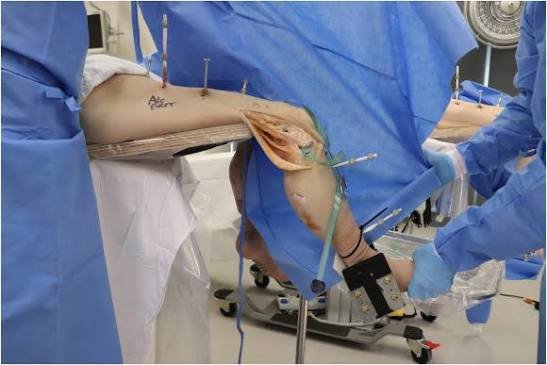
Arthroscopy allows a surgeon to examine and treat the inside of the knee using a small camera and specialized instruments inserted through small incisions. This technique provides a clear view of the joint and supports precise surgical work. In addition, the surgeon can assess associated meniscus or cartilage injuries during the procedure.
During ACL reconstruction, the surgeon prepares the required areas of the knee, positions the graft, and secures it to support ligament function. The exact method depends on your anatomy, injury pattern, and treatment requirements. Therefore, discuss the proposed technique with your surgeon so you understand the procedure, expected recovery, and possible limitations.
Who Should Consider ACL Reconstruction?
- Ongoing instability despite completing appropriate physiotherapy.
- Repeated episodes of the knee giving way.
- Difficulty returning to activities that involve pivoting or jumping.
- Additional meniscus or ligament damage that requires surgical assessment.
- Functional limitations that affect work, exercise, or daily independence.
- Persistent symptoms that prevent you from meeting your activity goals.
Preparing for ACL Surgery | ACL Surgeon In Satna
Advantages and Possible Complications of ACL Surgery
- Better control of knee movement.
- Fewer episodes of instability.
- Improved ability to perform selected daily activities.
- Support for returning to suitable recreational or sporting activities.
- An opportunity to address certain associated knee injuries.
Frequently Asked Questions
1. What does an ACL surgeon do?
2. How do I know if I have an ACL tear?
3. Does an ACL tear always require surgery?
4. Which tests can detect an ACL injury?
5. What happens during ACL reconstruction?
6. Can arthroscopy treat an ACL tear?
Book a Consultation
An ACL injury does not affect everyone in the same way, so your treatment should reflect your individual condition and goals. However, persistent pain, swelling, or repeated knee instability deserves proper evaluation rather than guesswork.
An ACL surgeon in Satna can assess your symptoms, explain your treatment options, and determine whether conservative care or ACL reconstruction may suit your situation. Moreover, a consultation can help you understand the rehabilitation process and plan your recovery with realistic expectations. Contact an orthopedic clinic or hospital in Satna to arrange an appointment and discuss your knee concerns.
Call Now: +91-7798189358+91-7798189358+91-7798189358+91-7798189358
Book Online:https://www.drambardaware.com/contact-us/
Location: Zenith Hospital – plot No,141,Garden Rd,Om Sai Nagar,Shivaji Nagar,Nagpur,Maharashtra 440010
Viveka Hospital -Plot No 1A, Naik Layout, Parsodi,Subhash Nagar, Nagpur, Maharashtra ,440022