
Dr. Ambar P. Daware

ACL Surgeon In Chhindwara

ACL Surgeon in Chhindwara: Expert Care for Knee Ligament Injuries

A knee injury can affect your ability to walk comfortably, climb stairs, play sports, or perform everyday activities. Moreover, a sudden twist, awkward landing, or unexpected change in direction can damage the anterior cruciate ligament (ACL), which helps stabilize your knee. If you experience knee swelling, pain, or a feeling that your knee may give way, consulting an ACL surgeon in Chhindwara can help you understand the injury and explore suitable treatment options. An orthopedic specialist can assess your knee stability, review your symptoms, and recommend a personalized care plan. In addition, early evaluation can help you avoid further strain on an injured knee and make informed decisions about recovery, physiotherapy, and possible surgery.

What Is an ACL Injury? | ACL Surgeon In Chhindwara

The anterior cruciate ligament connects the thighbone to the shinbone and helps control knee movement. It plays an important role in maintaining stability when you turn, pivot, jump, or change direction. However, a sudden movement or direct impact can stretch or tear this ligament. ACL injuries commonly occur during football, cricket, basketball, badminton, and other activities that involve quick movements. Nevertheless, you can also injure your ACL during a fall, road accident, or everyday activity. Depending on the severity of the tear, your doctor may recommend physiotherapy, activity modification, or surgical reconstruction. Therefore, an accurate diagnosis helps your orthopedic specialist choose an appropriate treatment plan based on your knee stability, activity level, and recovery goals.

Common Symptoms of an ACL Tear

ACL injuries can produce different symptoms depending on the extent of ligament damage and any associated knee injuries. Moreover, some people notice symptoms immediately, while others experience increasing discomfort and instability over time.

Watch for these common warning signs:
  • A popping sensation or sound at the time of injury.
  • Sudden knee pain after twisting or landing.
  • Swelling that develops within a few hours.
  • Difficulty bearing weight on the affected leg.
  • A feeling that the knee may buckle or give way.
  • Reduced knee movement or stiffness.
  • Difficulty turning or changing direction.
  • Discomfort when walking, running, or climbing stairs.

When Should You Consult an ACL Surgeon in Chhindwara?

Do not ignore knee instability or persistent pain after an injury. Although some minor knee injuries improve with appropriate conservative care, a significant ACL tear may require specialized assessment. Moreover, delaying treatment while repeatedly placing stress on an unstable knee can increase the risk of additional damage. Consider an orthopedic consultation if you experience repeated knee buckling, difficulty returning to sports, persistent swelling, or limited movement after an injury. In addition, seek professional guidance if your knee remains unstable despite physiotherapy. Your doctor can evaluate the ligament, check for associated meniscus or cartilage damage, and explain whether non-surgical treatment or ACL reconstruction may suit your needs.
Non-Surgical ACL Treatment
Some patients can manage an ACL injury without surgery, particularly when the knee remains stable during daily activities and the patient does not need to perform demanding pivoting movements. A doctor may recommend:

  • Physiotherapy to strengthen the muscles around the knee.
  • Exercises that improve balance and movement control.
  • Temporary activity modification to protect the injured ligament.
  • Appropriate pain relief under medical guidance.
  • A knee brace in selected cases.
  • Gradual return to activity according to clinical progress.
However, non-surgical treatment may not provide enough stability for everyone. If your knee repeatedly gives way or you want to return to sports that involve rapid turning, your doctor may discuss ACL reconstruction.
ACL Reconstruction Surgery
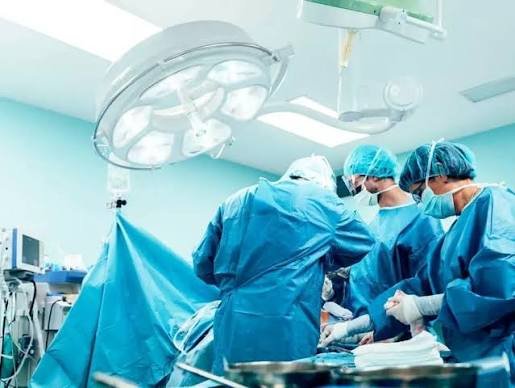
ACL reconstruction involves replacing the damaged ligament with a tissue graft. Surgeons commonly use a graft taken from the patient’s own tendon, although the choice depends on individual factors and surgical planning. During the procedure, the surgeon places the graft to restore knee stability. Moreover, the surgical team develops a rehabilitation plan to help you regain movement, strength, balance, and confidence. However, surgery does not guarantee an immediate return to sports. Therefore, follow your surgeon’s instructions and complete the recommended rehabilitation programme before resuming demanding activities.

What Is Arthroscopic ACL Surgery?

Arthroscopic ACL surgery uses a small camera and specialized instruments to treat the injured knee through small incisions. The camera allows the surgeon to examine the joint and guide the procedure. Moreover, the surgeon can assess associated problems, such as selected meniscus injuries, and address them when appropriate. Surgeons often use arthroscopic techniques for ACL reconstruction. However, the specific procedure depends on the injury, graft choice, and any additional damage. Your orthopedic specialist can explain the planned technique, potential benefits, risks, and rehabilitation requirements before surgery.

How to Choose the Right ACL Surgeon in Chhindwara

Selecting an orthopedic specialist requires more than comparing appointment fees. You need a doctor who can explain your injury, discuss appropriate treatment options, and guide you through recovery. Therefore, consider the following factors before choosing a surgeon.

  • Orthopedic qualifications: Check the doctor’s relevant qualifications and professional credentials.
  • ACL treatment experience: Ask about experience managing ligament injuries and performing ACL reconstruction.
  • Diagnostic facilities: Confirm access to appropriate imaging and knee assessments.
  • Treatment planning: Choose a specialist who considers your activity level and explains both surgical and non-surgical options.
  • Hospital facilities: Ask about surgical care, anesthesia, infection prevention, and postoperative monitoring.
  • Rehabilitation support: Confirm access to physiotherapy and follow-up assessments.
  • Clear communication: Choose a doctor who explains recovery expectations, possible complications, and return-to-sport criteria.

ACL Surgeon Consultation and Treatment Cost in Chhindwara

The cost of ACL treatment in Chhindwara varies according to the injury, recommended procedure, hospital facilities, graft choice, and rehabilitation requirements. For example, conservative treatment may involve different expenses from arthroscopic ACL reconstruction. Therefore, request a personalized estimate after your doctor evaluates your knee.

Your treatment expenses may include:

  • Orthopedic consultation fees.

  • X-rays, MRI scans, and other diagnostic tests.

  • Surgeon and anesthesia fees.

  • Operating-room and hospital charges.

  • Surgical graft and medical supplies.

  • Medicines and postoperative care.

  • Physiotherapy and rehabilitation sessions.

  • Follow-up consultations.

Tips to Help Prevent ACL Injuries

You cannot prevent every ACL injury, but suitable training habits may help improve knee control and reduce injury risk. Moreover, a balanced programme can prepare your muscles and joints for the demands of physical activity.

  • Warm up properly before exercise or sports.

  • Strengthen the quadriceps, hamstrings, and hip muscles.

  • Practise controlled landing techniques.

  • Learn safe techniques for pivoting and changing direction.

  • Improve balance and coordination through suitable exercises.

  • Increase training intensity gradually.

  • Wear appropriate footwear for your activity.

  • Allow adequate recovery between demanding sessions.

  • Stop exercising if you experience significant knee pain or instability.

Frequently Asked Questions

1. What does an ACL surgeon treat?
An ACL surgeon evaluates anterior cruciate ligament injuries and advises patients on suitable treatment, including rehabilitation and reconstruction surgery.
Some patients manage ACL injuries without surgery through physiotherapy and activity modification. However, treatment depends on knee stability and activity needs.
Doctors use a physical examination and may recommend an MRI to assess the ligament and identify associated injuries.
No. Some patients benefit from non-surgical treatment, while others need reconstruction to address persistent instability.
It is a surgical procedure that uses a camera and specialized instruments to reconstruct the damaged ACL through small incisions.
Recovery varies by patient and procedure. Returning to demanding sports often requires several months and clearance from the rehabilitation team.

Book a Consultation

Knee instability can affect your confidence, mobility, work, and participation in sports. However, the right assessment can help you understand the injury and identify suitable treatment options. If you are searching for an ACL surgeon in Chhindwara, arrange a consultation with a qualified orthopedic specialist who can evaluate your knee and explain the next steps.

During your appointment, describe how the injury happened, when the symptoms started, and which activities cause discomfort. Moreover, bring previous scan reports, prescriptions, and details of any earlier knee treatment. Your doctor can use this information alongside the physical examination to develop a treatment plan based on your needs.

Take the next step toward better knee stability. Contact an orthopedic clinic serving Chhindwara to ask about consultation availability, ACL treatment options, and appointment charges.

Call Now: +91-7798189358+91-7798189358+91-7798189358+91-7798189358

Book Online:https://www.drambardaware.com/contact-us/

Location: Zenith Hospital – plot No,141,Garden Rd,Om Sai Nagar,Shivaji Nagar,Nagpur,Maharashtra 440010

Viveka Hospital -Plot No 1A, Naik Layout, Parsodi,Subhash Nagar, Nagpur, Maharashtra ,440022

Powered by Joinchat
Call Now Button