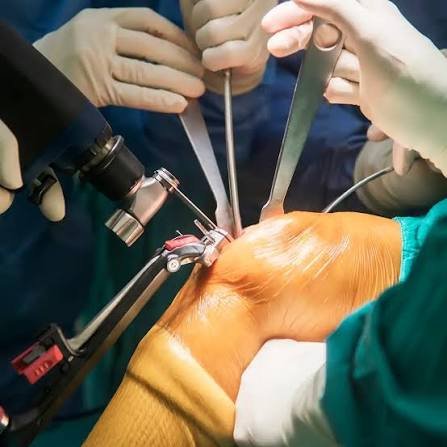
Knee pain can develop because of arthritis, sports injuries, meniscus problems, ligament damage, cartilage changes, overuse, or previous trauma. Moreover, persistent pain can make walking, climbing stairs, sitting, exercising, or working uncomfortable. Therefore, an orthopedic doctor can examine knee movement, swelling, strength, and stability before recommending treatment. In addition, treatment may involve physiotherapy, exercises, medicines, injections, activity modification, or surgery depending on the diagnosis. However, knee pain does not automatically mean that you need surgery. As a result, a detailed assessment can help you understand the available options.
Shoulder problems can affect lifting, reaching, dressing, sleeping, and sports activities. Moreover, rotator cuff injuries, shoulder instability, arthritis, tendon problems, and other conditions can cause pain or weakness. Therefore, an orthopedic specialist should evaluate shoulder movement and strength before recommending treatment. In addition, the doctor may use imaging such as X-rays, ultrasound, or MRI when clinically appropriate. However, shoulder pain can come from different sources. As a result, diagnosis should guide whether you need physiotherapy, medication, injections, or surgical treatment.
Hip arthritis and other hip conditions can cause pain, stiffness, and reduced movement. Moreover, patients may find walking, standing, climbing stairs, or getting up from a chair increasingly difficult. Therefore, an orthopedic doctor can assess hip movement, walking pattern, medical history, and imaging reports. In addition, treatment may include exercise, physiotherapy, medication, lifestyle changes, or hip replacement for selected patients with advanced joint damage. However, hip pain does not always require surgery. As a result, an individual assessment can help determine the most suitable treatment approach.
Fractures can occur after falls, road accidents, sports injuries, or other traumatic events. Moreover, a fracture may cause pain, swelling, bruising, deformity, or difficulty using the affected limb. Therefore, prompt orthopedic evaluation can help identify the type and location of the fracture. In addition, the doctor may use X-rays or other imaging to understand the injury and plan treatment. However, fracture management varies according to the bone, fracture pattern, displacement, and other patient factors. As a result, treatment may involve immobilization, follow-up care, or surgery depending on the injury.
Sports injuries can affect the knee, shoulder, ankle, elbow, wrist, muscles, ligaments, or tendons. Moreover, sudden twists, falls, collisions, repetitive movements, and overuse can contribute to these problems. Therefore, an orthopedic specialist can assess the injury and help you understand the appropriate recovery plan. In addition, rehabilitation may include physiotherapy, strength training, flexibility work, and gradual return to activity. However, athletes should avoid returning to intense sports before adequate recovery. As a result, professional guidance can help support a structured return to exercise.
Ligament injuries can cause pain, swelling, instability, and difficulty performing certain movements. Moreover, ACL injuries may affect athletes who participate in football, cricket, basketball, badminton, and other activities that involve pivoting or sudden changes in direction. Therefore, an orthopedic specialist can examine knee stability and review imaging when necessary. In addition, treatment may include structured rehabilitation or ligament reconstruction for selected patients. However, not every ligament injury needs surgery. As a result, the doctor should consider the injury, knee stability, activity goals, and associated damage before recommending treatment.