
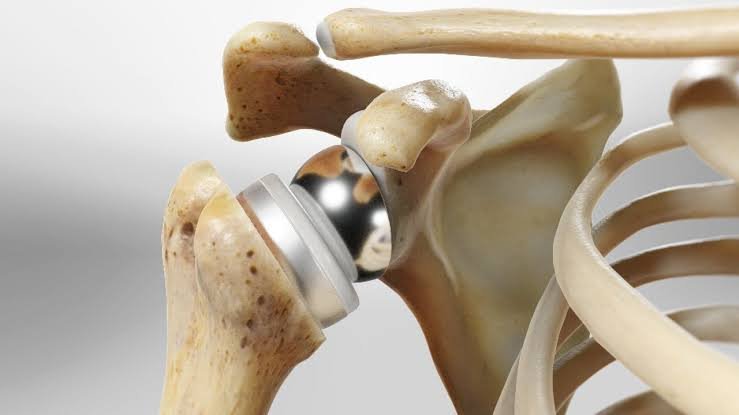
Reverse Shoulder Replacement in Nagpur
Reverse Shoulder Replacement In Nagpur
What Is Reverse Shoulder Replacement?
Who May Need Reverse Shoulder Replacement Surgery?
Several shoulder conditions can interfere with normal movement and cause persistent discomfort. Therefore, an orthopaedic specialist may consider reverse shoulder replacement when non-surgical treatments no longer provide sufficient relief and the condition significantly affects daily life.
Common conditions that may benefit from this procedure include:
Severe rotator cuff tear: Extensive tendon damage can prevent the shoulder from moving normally.
Rotator cuff tear arthropathy: Long-standing rotator cuff damage combined with shoulder joint arthritis can cause pain and weakness.
Complex shoulder fractures: Certain fractures of the upper arm bone may require shoulder replacement instead of fracture repair.
Severe shoulder arthritis: Advanced joint damage may limit movement and cause persistent pain, particularly when the rotator cuff also has significant damage.
Failed previous shoulder surgery: Some patients may need revision surgery when an earlier shoulder replacement or repair does not provide satisfactory function.
However, every patient needs an individual assessment because other treatments may suit some conditions better.
Benefits of Reverse Shoulder Replacement
Reverse shoulder replacement aims to reduce pain and improve shoulder function in appropriately selected patients. Moreover, the procedure uses the deltoid muscle to support arm elevation when the rotator cuff cannot perform its usual role.
Potential benefits include:
Reduced shoulder pain and discomfort.
Improved ability to raise the arm.
Better performance of everyday activities.
Improved shoulder stability in suitable cases.
Greater independence with personal care and routine tasks.
Improved quality of life when surgery and rehabilitation achieve the desired results.
However, outcomes vary according to the patient’s shoulder condition, muscle strength, general health, and rehabilitation progress. Therefore, discuss realistic expectations and possible complications with your orthopaedic surgeon before making a treatment decision.
How Does Reverse Shoulder Replacement Surgery Work?
Why Consult an Orthopaedic Specialist
Choosing the right orthopaedic specialist can help you understand your treatment options and prepare for surgery when necessary. Moreover, an experienced shoulder surgeon can assess your joint damage, muscle function, medical history, and personal goals before recommending an appropriate approach.
During your consultation, the specialist may:
Review your shoulder pain, stiffness, and movement limitations.
Examine your shoulder strength and joint function.
Recommend X-rays or other imaging when necessary.
Explain suitable surgical and non-surgical treatments.
Discuss the potential benefits, risks, and limitations of surgery.
Develop a personalised rehabilitation plan.
Therefore, if you experience persistent shoulder pain or difficulty raising your arm, arrange an orthopaedic consultation in Nagpur to understand the next steps.
Risks and Possible Complications
Like any major surgery, reverse shoulder replacement carries certain risks. Therefore, patients should understand the possible complications before deciding to proceed.
Potential risks include:
Infection around the surgical site or implant.
Bleeding or blood clots.
Shoulder dislocation or instability.
Nerve or blood vessel injury.
Fracture around the implant.
Implant loosening or wear over time.
Persistent pain or limited movement.
However, your individual risk depends on several factors, including your health, bone quality, and surgical history. Discuss these concerns with your orthopaedic surgeon and follow all preoperative and postoperative instructions carefully.
Non-Surgical Alternatives to Reverse Shoulder Replacement
Not every patient with shoulder pain needs surgery. In many cases, non-surgical treatment can help manage symptoms and improve function. Therefore, your orthopaedic specialist may recommend conservative options when they suit your diagnosis.
These options may include:- Medication: Your doctor may recommend suitable medicines to manage pain and inflammation.
- Physiotherapy: Guided exercises can help maintain movement and strengthen the muscles that support the shoulder.
- Activity modification: Adjusting certain movements may reduce discomfort and unnecessary strain.
- Selected injections: Your doctor may consider an injection for symptom relief when appropriate.
Frequently Asked Questions | Reverse Shoulder Replacement In Nagpur
1. What is reverse shoulder replacement?
2. Who needs reverse shoulder replacement surgery?
3. How long does recovery take after reverse shoulder replacement?
4. Is reverse shoulder replacement a major surgery?
5. Can I lift my arm after reverse shoulder replacement?
Book a Consultation
Persistent shoulder pain, weakness, or difficulty lifting your arm can affect your independence and quality of life. Therefore, seek guidance from an orthopaedic specialist who can assess your symptoms and explain suitable treatment options. Moreover, an early evaluation can help you understand whether physiotherapy, medication, or reverse shoulder replacement may best address your condition.
If you are considering reverse shoulder replacement in Nagpur, schedule a consultation to discuss your diagnosis, available treatments, expected recovery, and rehabilitation requirements. Take your previous medical reports and imaging scans to your appointment, if available, so your doctor can review your treatment history.
Book your orthopaedic consultation today and take an informed step towards better shoulder function and improved daily comfort.
Moreover, you can use the appointment to discuss surgical options, recovery expectations, rehabilitation, and estimated costs. Preparing your questions and medical reports can help you make better use of your visit.
Schedule your consultation today and take the next step towards better shoulder function and mobility.
Schedule your consultation today and take the first step towards better mobility and a more active life.
Call Now: +91-7798189358+91-7798189358+91-7798189358+91-7798189358
Book Online:https://www.drambardaware.com/contact-us/
Location: Zenith Hospital – plot No,141,Garden Rd,Om Sai Nagar,Shivaji Nagar,Nagpur,Maharashtra 440010
Viveka Hospital -Plot No 1A, Naik Layout, Parsodi,Subhash Nagar, Nagpur, Maharashtra ,440022