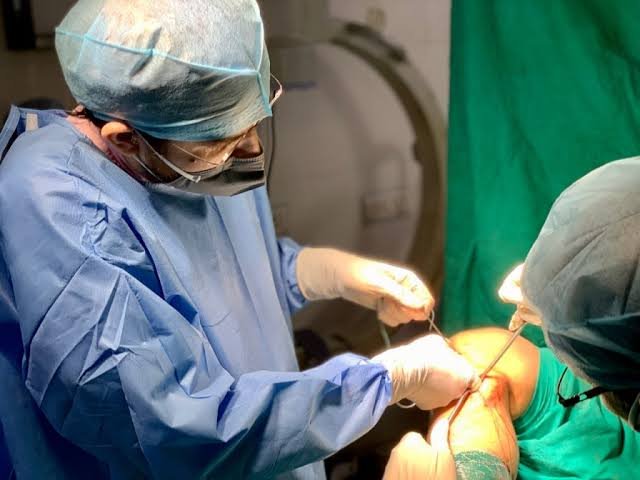
An ACL injury can produce several symptoms that affect knee function. Moreover, some people notice a sudden popping sensation, swelling, pain, difficulty bearing weight, or a feeling that the knee may give way. Therefore, persistent instability deserves professional evaluation, especially after a sports injury or sudden twisting movement. In addition, reduced confidence during walking, running, or turning may also occur. However, other knee problems can cause similar symptoms. As a result, a doctor should assess the knee before confirming an ACL tear or recommending treatment.
A proper diagnosis helps the orthopedic surgeon understand the ACL injury and any associated knee damage. Moreover, the consultation may include questions about how the injury happened, when symptoms started, previous knee problems, and your activity level. Therefore, the doctor can combine your medical history with a physical examination of knee movement and stability. In addition, imaging can provide more information when the clinical assessment requires it. However, no single test determines every aspect of an ACL injury. As a result, the surgeon should consider your symptoms, examination, and test findings together.
MRI can provide detailed information about soft tissues inside the knee, including the ACL, meniscus, cartilage, and other structures. Moreover, an orthopedic specialist may recommend MRI when the clinical examination suggests significant ligament or associated tissue damage. Therefore, the scan can help the surgeon understand the injury more clearly and plan suitable treatment. In addition, MRI findings can help identify associated injuries that may influence rehabilitation or surgery. However, the doctor should interpret imaging together with the physical examination and symptoms. As a result, MRI supports diagnosis rather than acting as the only basis for treatment.
An ACL Surgeon In Chhindwara may discuss surgery when knee instability continues, the injury significantly affects desired activities, or associated structural damage requires surgical management. Moreover, athletes who want to return to sports involving pivoting may need a detailed discussion about stability and treatment options. Therefore, the surgeon should assess the knee, activity demands, associated injuries, and response to rehabilitation before recommending reconstruction. In addition, the doctor can explain the potential benefits, risks, rehabilitation requirements, and alternatives. However, surgery does not suit every ACL injury. As a result, the treatment decision should remain individualized.
ACL reconstruction surgery replaces the damaged ligament with a graft to help restore knee stability in selected patients. Moreover, the surgeon plans the procedure according to the injury, knee anatomy, associated problems, and treatment goals. Therefore, a detailed pre-surgical assessment helps the orthopedic team prepare for the operation. In addition, the consultation can cover graft options, rehabilitation, activity restrictions, and expected recovery milestones. However, ACL reconstruction requires a structured recovery process after surgery. As a result, patients should understand both the procedure and rehabilitation journey before making a treatment decision.
ACL reconstruction uses a graft to create a new ligament structure that supports knee stability. Moreover, surgeons may discuss different graft choices depending on factors such as age, activity level, anatomy, previous surgery, and clinical needs. Therefore, the ACL Surgeon In Chhindwara can explain why a particular graft may suit your situation. In addition, patients can ask about the recovery process, possible limitations, rehabilitation, and return-to-sport planning. However, graft selection depends on individual factors rather than one universal option. As a result, your surgeon should discuss the available choices during the consultation.