
ACL Surgery Cost In Nagpur
An ACL injury can affect walking, sports, exercise, and everyday movement. Therefore, understanding the ACL Surgery Cost In Nagpur can help patients plan their treatment with greater clarity. Moreover, the final cost can vary from one patient to another because doctors consider several factors before recommending surgery. In addition, the hospital, surgeon’s experience, surgical technique, implants, diagnostic tests, hospital stay, and rehabilitation can influence the overall expense. However, cost should not become the only factor when choosing treatment. As a result, patients should discuss the complete treatment plan and expected expenses with their orthopedic surgeon before scheduling ACL surgery.
What Is ACL Surgery?
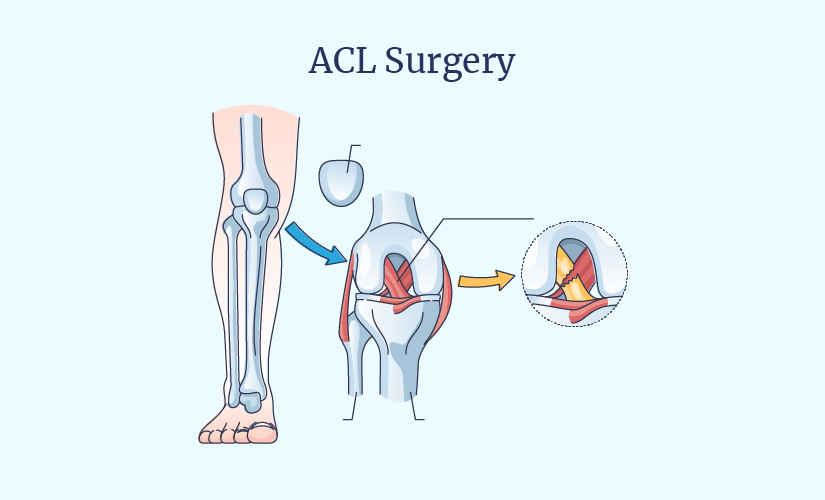
The anterior cruciate ligament, commonly called the ACL, helps maintain stability inside the knee. Moreover, athletes can injure this ligament during sudden twisting, jumping, landing, or changes in direction. In addition, road accidents and other traumatic injuries can also damage the ACL. Therefore, an orthopedic specialist may recommend ACL reconstruction for selected patients with significant instability or activity-related problems. However, not every ACL injury requires surgery. As a result, a detailed clinical examination and appropriate imaging can help the orthopedic doctor understand the injury before recommending treatment.
ACL Surgery Cost In Nagpur: What Affects The Price?
The ACL Surgery Cost In Nagpur can differ depending on the patient’s condition and treatment requirements. Therefore, patients should ask for a detailed estimate instead of relying on one general price figure. Moreover, the surgeon may consider the severity of the ligament injury, surgical technique, graft choice, implants, hospital facilities, anesthesia, investigations, and post-operative care. In addition, physiotherapy and rehabilitation may add to the overall treatment expense. However, these costs can vary between hospitals and individual cases. As a result, discussing every expected expense with the hospital team can help you understand the complete financial requirement.
Major Factors That Influence ACL Surgery Cost
Several factors can contribute to the overall expense of ACL reconstruction. Moreover, the surgeon may recommend a specific technique according to the patient’s injury, activity level, knee stability, and medical history. In addition, implant selection, graft requirements, anesthesia, operating room charges, medicines, investigations, and hospital stay can influence the final bill. Therefore, patients should ask the hospital to explain each major cost component before surgery. However, the exact treatment plan can change after the orthopedic evaluation. As a result, the final estimate should come from the treating hospital after proper assessment.
Arthroscopic ACL Surgery
Arthroscopy allows the surgeon to use a small camera and specialized instruments through small openings around the knee. Moreover, this technique allows the surgeon to view the inside of the joint and perform selected procedures. In addition, arthroscopic ACL reconstruction can address the damaged ligament while allowing the surgeon to evaluate other knee structures. Therefore, the orthopedic surgeon can choose an appropriate technique according to the patient’s injury. However, arthroscopy does not eliminate the need for rehabilitation. As a result, patients should follow the recommended recovery program after surgery.
ACL Surgery Recovery
Recovery after ACL reconstruction takes time and requires active participation from the patient. Moreover, early rehabilitation usually focuses on controlling swelling, restoring knee movement, and gradually improving muscle strength. In addition, later stages may include balance training, functional exercises, and activity-specific rehabilitation. Therefore, patients should follow their orthopedic and physiotherapy team’s instructions throughout recovery. However, recovery timelines can vary significantly between individuals. As a result, patients should avoid comparing their recovery directly with another person’s experience.
Returning To Sports After ACL Surgery
Athletes often want to know when they can return to sports after ACL reconstruction. Therefore, the return-to-sport process should follow functional recovery rather than a fixed calendar date alone. Moreover, rehabilitation may focus on strength, balance, coordination, movement control, and sport-specific performance. In addition, the medical team may use functional assessments before allowing a gradual return to demanding activities. However, every athlete heals differently. As a result, patients should follow individualized medical guidance instead of rushing back to competitive sports.
How To Reduce Unexpected ACL Treatment Expenses
Understanding the complete treatment plan can help patients prepare financially. Moreover, ask the hospital whether the estimate includes surgeon fees, anesthesia, operation theatre charges, implants, medicines, room charges, investigations, and follow-up care. In addition, ask about possible additional expenses if the surgeon identifies another knee problem during treatment. Therefore, a written estimate can provide greater clarity before admission. However, medical situations can sometimes require changes in treatment. As a result, patients should maintain some financial flexibility while planning ACL surgery.
Does Health Insurance Cover ACL Surgery?
Some health insurance policies may provide coverage for medically necessary orthopedic procedures, subject to the policy’s terms and conditions. Therefore, patients should check their specific insurance policy before planning surgery. Moreover, coverage can depend on factors such as waiting periods, exclusions, network hospitals, deductibles, room limits, and policy conditions. In addition, hospitals may have insurance desks that can help explain the documentation process. However, coverage differs between policies. As a result, confirm the applicable benefits directly with your insurer and hospital before admission.
Book a Consultation Today
Our expert zenith hospital orthopedic team in Nagpur is here to help you move freely again. Book your consultation today.