
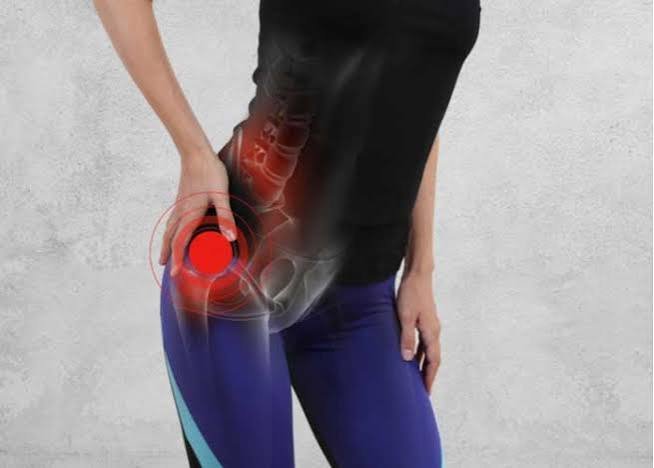
Best Hip Pain Treatment in Nagpur – Expert Care for Better Mobility
What Causes Hip Pain? | Best Hip Pain Treatment In Nagpur
The hip is a major weight-bearing joint that supports your body during standing, walking, and movement. However, several conditions can affect the joint, its surrounding muscles, or nearby structures and cause discomfort.
Common causes of hip pain include:
Hip osteoarthritis: Wear-related changes in the joint can cause stiffness, pain, and reduced movement.
Muscle strain: Sudden movements, exercise, or excessive physical effort can strain the muscles around the hip.
Bursitis: Irritation of small fluid-filled sacs around the joint can cause pain, especially when lying on the affected side.
Tendon problems: Repeated movements or excessive loading can irritate tendons around the hip.
Sports injuries: Falls, sudden twists, and high-impact activities can injure the hip or surrounding tissues.
Hip fractures: Falls or significant trauma can break the bone, while weakened bones may fracture after relatively minor incidents.
Referred pain: Problems in the lower back can sometimes cause pain around the hip or buttock.
Moreover, different conditions can produce similar symptoms. Therefore, a clinical examination helps your doctor identify the likely cause and select suitable treatment.
When Should You Consult a Hip Pain Specialist?
Occasional soreness may improve with rest and appropriate activity adjustments. However, recurring or worsening pain deserves medical attention, particularly when it affects your daily routine.
Consider consulting an orthopedic doctor if you experience:
Persistent pain around the hip, groin, or outer thigh.
Stiffness after sitting or waking up.
Difficulty walking, bending, or climbing stairs.
Pain that interrupts sleep.
Reduced hip movement or difficulty putting on shoes.
Discomfort that returns after physical activity.
A noticeable change in your walking pattern.
Seek urgent medical care if you develop sudden severe hip pain after a fall, cannot stand or bear weight, or notice a significant deformity. A hot, swollen joint accompanied by fever also requires prompt assessment. Therefore, do not delay medical care when symptoms suggest a serious injury or infection.
Diagnosis Before Hip Pain Treatment
Effective treatment begins with understanding why your hip hurts. During your consultation, the doctor will ask about your symptoms, medical history, activity levels, previous injuries, and the movements that worsen your discomfort.
The specialist may examine your walking pattern, joint movement, muscle strength, and areas of tenderness. In addition, the doctor may recommend investigations when the examination indicates a need.
These may include:
X-ray: Helps assess bone alignment, fractures, and changes associated with osteoarthritis.
MRI scan: Provides detailed images of selected soft-tissue structures and certain bone conditions.
Blood tests: May help investigate suspected infection or inflammatory conditions.
Other assessments: Your doctor may investigate the lower back or nearby structures when symptoms suggest referred pain.
However, every patient does not need every test. The specialist will recommend investigations according to your symptoms and clinical findings.
Benefits of Early Hip Pain Assessment
Timely evaluation can help you understand your symptoms and make informed decisions about treatment. Moreover, an individual care plan can address the specific condition affecting your hip rather than relying on a general approach.
Potential benefits include:
Identifying possible causes of persistent discomfort.
Choosing treatment that matches your diagnosis.
Learning how to manage activities that worsen symptoms.
Improving movement through appropriate rehabilitation.
Understanding whether further investigations or specialist care are necessary.
Planning follow-up appointments to monitor your progress.
However, results vary according to the underlying condition and individual health factors. Therefore, discuss realistic treatment goals with your doctor and follow the recommended care plan.
How to Manage Hip Pain at Home
Certain adjustments may help you manage mild discomfort while you arrange appropriate medical advice. However, home care should not replace an assessment when pain persists or affects your ability to walk.
Consider these practical measures:
Reduce activities that clearly worsen your symptoms.
Avoid sudden increases in exercise intensity.
Use comfortable footwear that supports normal walking.
Change your sitting position regularly.
Follow prescribed exercises at the recommended intensity.
Ask your doctor whether heat or cold therapy suits your condition.
Maintain a healthy activity routine within your physical limits.
Moreover, avoid forceful stretching or exercises that increase pain. If you suspect a fracture or experience severe pain after an injury, seek urgent medical care instead of trying to manage the problem at home.
Recovery After Hip Pain Treatment | Best Hip Pain Treatment In Nagpur
Recovery depends on the cause of your hip pain and the treatment you receive. A mild muscle strain may improve sooner than advanced arthritis, a significant tendon injury, or a fracture. Therefore, your recovery plan should reflect your diagnosis and functional needs.
During rehabilitation, your healthcare team may monitor pain, joint movement, strength, and walking ability. In addition, your physiotherapist may gradually adjust exercises as your condition improves. Follow your clinician’s guidance before increasing activity or returning to demanding exercise.
After hip replacement surgery, recovery typically involves wound care, movement training, and a progressive rehabilitation programme. However, recovery timelines differ from patient to patient. Attend follow-up appointments and report new or worsening symptoms so your healthcare team can assess your progress.
Tips to Maintain Healthy Hip Joints
Daily habits can support joint function and general mobility. Although these steps cannot prevent every hip condition, they may help you manage physical demands more comfortably.
Maintain a suitable body weight to help manage joint loading.
Include appropriate strength and mobility exercises in your routine.
Increase walking distance and exercise intensity gradually.
Use proper technique during gym workouts and sports.
Take breaks from prolonged sitting.
Follow medical advice when an injury affects your movement.
Seek assessment for recurring pain instead of repeatedly ignoring it.
Moreover, choose exercises according to your age, fitness, and medical needs. A physiotherapist can help you identify suitable activities if hip pain limits your movement.
How to Choose the Right Hip Pain Doctor in Nagpur
Choosing an appropriate specialist can make it easier to understand your diagnosis and compare treatment options. Look for a qualified orthopedic doctor with relevant experience in hip disorders and joint conditions.
Before selecting a provider, consider the following:
Medical qualifications: Check the doctor’s recognised qualifications and relevant specialist training.
Experience with hip conditions: Ask about experience managing problems similar to yours.
Diagnostic support: Find out how the doctor arranges appropriate investigations.
Treatment options: Choose a specialist who explains both nonsurgical and surgical approaches when relevant.
Rehabilitation guidance: Ask about physiotherapy, follow-up care, and recovery planning.
Clear communication: Your doctor should explain the diagnosis, possible outcomes, risks, and expected costs.
Therefore, compare your options carefully and choose a specialist who understands your symptoms and explains your care plan clearly.
Hip Pain Treatment Cost in Nagpur
Frequently Asked Questions
1. Which doctor treats hip pain?
2. What is the best treatment for hip pain?
3. Can hip pain improve without surgery?
4. When should I see a doctor for hip pain?
5. Can physiotherapy help hip pain?
6. Does hip arthritis always require hip replacement?
Book a Consultation
Are you experiencing hip pain, stiffness, or difficulty walking? Consult an orthopedic specialist to understand your condition and explore suitable treatment options. Book an appointment today to discuss your symptoms and take the next step towards better mobility.
Schedule your consultation today and take the first step towards better mobility and a more active life.
Call Now: +91-7798189358+91-7798189358+91-7798189358+91-7798189358
Book Online:https://www.drambardaware.com/contact-us/
Location: Zenith Hospital – plot No,141,Garden Rd,Om Sai Nagar,Shivaji Nagar,Nagpur,Maharashtra 440010
Viveka Hospital -Plot No 1A, Naik Layout, Parsodi,Subhash Nagar, Nagpur, Maharashtra ,440022