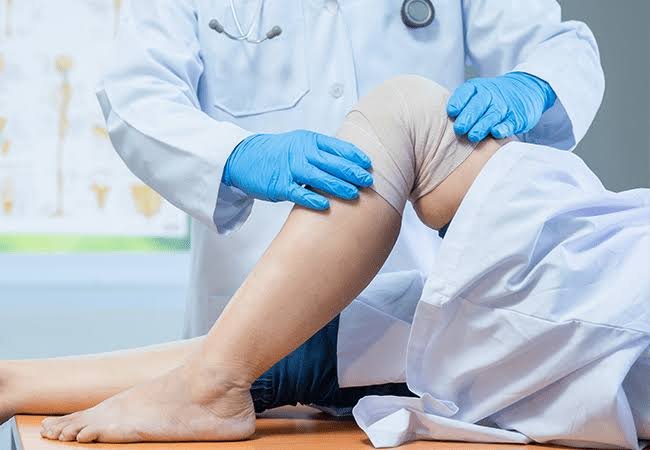
Many orthopedic conditions can receive non-surgical treatment when the diagnosis allows it. Moreover, doctors may recommend physiotherapy, medication, rest, activity modification, supportive devices, or selected injections. Therefore, non-surgical care can sometimes help patients improve function while managing symptoms. In addition, rehabilitation may help restore strength, flexibility, balance, and confidence during recovery. However, non-surgical treatment does not suit every condition, particularly when significant structural damage exists. As a result, your orthopedic specialist can explain when conservative care may help and when another treatment approach may require consideration.
Orthopedic surgery may become an option when a patient has significant structural damage, a serious injury, or symptoms that do not improve with appropriate non-surgical care. Moreover, procedures may address fractures, ligament injuries, joint damage, or severe arthritis depending on the diagnosis. Therefore, your orthopedic surgeon should review your symptoms, imaging, medical history, and previous treatment before recommending surgery. In addition, the doctor can discuss potential benefits, risks, recovery, rehabilitation, and alternatives. However, surgery does not automatically become the right choice for every patient. As a result, an individualized consultation should guide the decision.
Severe joint damage can sometimes make knee or hip replacement an option. Moreover, doctors may discuss joint replacement when pain and reduced mobility significantly affect daily life and other suitable treatments do not provide enough improvement. Therefore, a specialist should assess the joint condition before discussing surgery. In addition, patients can ask about implant choices, surgical techniques, recovery, rehabilitation, and possible risks during consultation. However, joint replacement requires careful patient selection and preparation. As a result, patients should understand both surgical and non-surgical options before making an informed treatment decision.
Some patients explore orthobiologic treatments as part of their orthopedic care. Moreover, PRP uses a preparation made from a patient’s own blood and may have a role in selected musculoskeletal conditions. Therefore, an orthopedic specialist should first confirm the diagnosis and explain whether PRP or another biologic treatment makes sense for that condition. In addition, patients should ask about clinical evidence, expected results, limitations, possible risks, and alternatives. However, PRP does not guarantee complete healing or pain relief. As a result, patients should consider biologic treatment only after a proper medical assessment and an informed discussion with their doctor.
Accurate diagnosis helps your orthopedic doctor select an appropriate treatment strategy. Moreover, the consultation may include questions about your symptoms, previous injuries, medications, physical activity, and daily limitations. Therefore, the specialist can combine this information with a physical examination and suitable imaging when needed. In addition, previous reports and treatment records can help provide useful background information. However, one symptom can occur in several different conditions. As a result, professional assessment can help prevent unnecessary treatment and provide a clearer understanding of your orthopedic problem.
Physiotherapy can support recovery from many orthopedic conditions and procedures. Moreover, guided exercises can help improve strength, flexibility, balance, movement, and functional performance. Therefore, your orthopedic doctor may recommend rehabilitation during or after treatment when appropriate. In addition, a structured program can help patients gradually return to work, exercise, sports, and everyday activities. However, rehabilitation should match your condition and recovery stage. As a result, patients should follow professional guidance rather than copying exercises from another person’s treatment plan.