
Hip Replacement in Nagpur – Expert Care for Better Mobility
Understanding Hip Joint Replacement | Hip Replacement In Nagpur
When Should You Seek Treatment for Hip Pain?
Hip problems can gradually affect your comfort, independence, and daily routine. Therefore, consider consulting an orthopedic specialist if you notice any of these symptoms:
Persistent pain around the hip or groin
Stiffness that limits leg movement
Difficulty walking or climbing stairs
Pain that disturbs your sleep
Trouble standing up from a chair
Reduced relief from medicines or physiotherapy
Moreover, these symptoms can have different causes. A medical assessment can help determine whether you need conservative treatment or further evaluation for joint replacement.
Who May Benefit from This Treatment?
Key Benefits for Better Mobility
Hip joint replacement can help eligible patients reduce pain and regain confidence in everyday movement. Moreover, successful treatment may improve independence and make routine activities easier.
Potential benefits include:
Less pain during movement
Improved hip mobility
Better walking ability
Greater comfort during daily activities
Improved sleep when pain previously disturbed rest
Better quality of life
However, outcomes differ between patients. Following your surgeon’s advice and completing a personalized rehabilitation programme can support your recovery.
Types of Hip Joint Procedures
Your orthopedic surgeon will recommend a procedure according to the extent of joint damage, your health, and your treatment goals. Common options include:
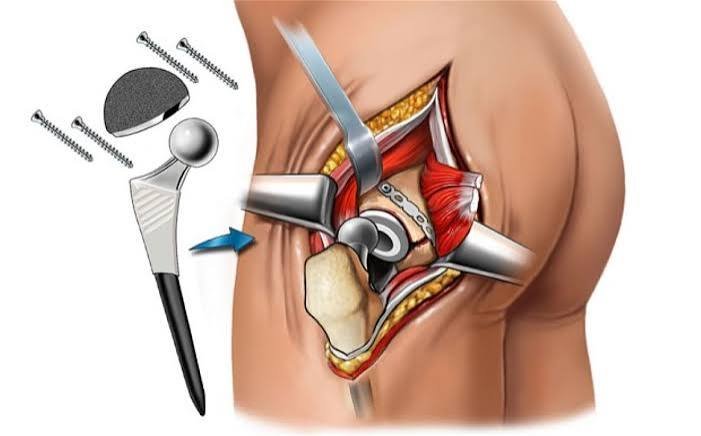
1. Total Hip Replacement Total hip replacement replaces both the damaged ball and the socket of the hip joint. Doctors often recommend this procedure for severe arthritis or extensive joint damage. Moreover, it can help reduce pain and restore useful movement when other treatments no longer provide enough relief. 2. Partial Hip Replacement Partial hip replacement replaces the ball of the hip joint while leaving the natural socket in place. Doctors may recommend this option for certain hip fractures, particularly in older adults. However, the final decision depends on the fracture pattern, joint condition, and overall health. 3. Minimally Invasive Hip Replacement Some surgeons use approaches that limit the size or extent of surgical incisions. In addition, the suitability of a particular approach depends on your anatomy, diagnosis, and the surgeon’s experience. A smaller incision does not automatically mean faster recovery or fewer complications.Your Treatment Journey: Step by Step | Hip Replacement In Nagpur
Understanding the treatment process can help you prepare with greater confidence. Your surgeon will explain each stage and answer your questions before the procedure.
Step 1: Initial Consultation
First, the orthopedic specialist reviews your symptoms, medical history, and daily activity limitations. Moreover, a physical examination helps assess hip movement, pain, and function.
Step 2: Diagnostic Tests
Your doctor may recommend X-rays, blood tests, or other investigations to evaluate your joint and prepare for surgery. Therefore, these results help guide treatment planning and identify potential risks.
Step 3: Surgical Planning
Next, your surgeon discusses the procedure, implant options, anesthesia, expected benefits, and possible complications. In addition, the team provides instructions to help you prepare for hospital admission.
Step 4: Surgery
During the operation, the surgeon removes the damaged joint surfaces and places suitable artificial components. However, the exact technique and implant selection depend on your individual condition.
Step 5: Early Rehabilitation
After surgery, your medical team monitors your recovery and helps you begin safe movement when appropriate. Moreover, physiotherapy supports strength, balance, and walking ability.
Hip Replacement Cost in Nagpur
The cost of hip replacement in Nagpur varies according to the hospital, implant type, surgical technique, room category, and length of stay. In addition, your medical condition and rehabilitation needs can affect the total expense.
Before choosing a hospital, ask for a detailed estimate that explains the surgeon’s fees, implant charges, anesthesia, hospital stay, investigations, medicines, and follow-up care. Therefore, you can compare treatment plans more accurately instead of choosing based on the initial price alone.
Recovery and Rehabilitation | Hip Replacement In Nagpur
Recovery takes time, and each patient progresses at a different pace. Many patients begin standing or walking with assistance soon after surgery, depending on their condition and the surgeon’s advice. Moreover, regular physiotherapy helps improve strength, balance, and confidence while moving.
During recovery, follow your medical team’s instructions, use walking aids as recommended, and attend scheduled follow-up appointments. However, avoid rushing into strenuous activities before your surgeon approves them. Most patients improve over several weeks, while further recovery may continue for a few months.
How to Choose an Orthopedic Specialist in Nagpur
Frequently Asked Questions
1. What is hip replacement surgery?
2. When do I need hip replacement surgery?
3. Who is the best doctor for hip replacement in Nagpur?
4. How much does hip replacement cost in Nagpur?
5. How long does hip replacement surgery take?
6. How long does it take to recover from hip replacement?
Book a Consultation
Are you experiencing persistent hip pain or difficulty walking? Book an appointment with an experienced orthopedic specialist in Nagpur to discuss your symptoms and treatment options. Moreover, an early consultation can help you understand whether hip replacement surgery is right for you.
Schedule your consultation today and take the first step towards better mobility and a more active life.
Call Now: +91-7798189358+91-7798189358+91-7798189358+91-7798189358
Book Online:https://www.drambardaware.com/contact-us/
Location: Zenith Hospital – plot No,141,Garden Rd,Om Sai Nagar,Shivaji Nagar,Nagpur,Maharashtra 440010
Viveka Hospital -Plot No 1A, Naik Layout, Parsodi,Subhash Nagar, Nagpur, Maharashtra ,440022