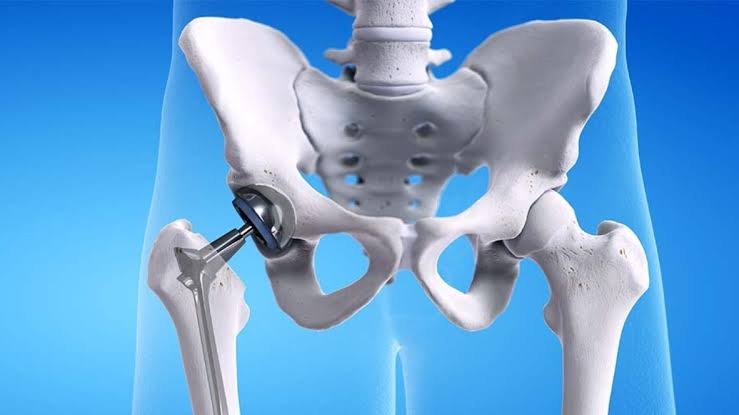
Several conditions can cause long-term hip pain and reduced mobility. Moreover, osteoarthritis, rheumatoid arthritis, hip fractures, previous injuries, cartilage damage, avascular necrosis, and other joint problems can affect hip function. Therefore, an orthopedic specialist should identify the underlying cause before recommending treatment. In addition, the doctor may assess walking pattern, hip movement, muscle strength, tenderness, and medical history. However, pain around the hip can sometimes come from surrounding muscles, the lower back, or nearby structures. As a result, proper diagnosis remains an important part of effective hip care.
Hip arthritis can gradually affect the joint and make everyday movement uncomfortable. Moreover, patients may notice pain while walking, standing, exercising, climbing stairs, or getting up from a chair. Therefore, an orthopedic specialist can assess the severity of the joint changes and discuss appropriate treatment options. In addition, treatment may include physiotherapy, exercises, medicines, activity modification, weight management, selected injections, or surgery depending on the diagnosis. However, arthritis does not automatically require hip replacement. As a result, personalized medical advice can help determine the most suitable treatment path.
Persistent hip pain deserves professional attention when it begins to affect your routine or limit movement. Moreover, difficulty walking, climbing stairs, putting on shoes, getting out of a chair, or sleeping comfortably can indicate the need for evaluation. Therefore, consider consulting a Hip Replacement Surgeon In Chhindwara when symptoms continue or become harder to manage. In addition, stiffness, weakness, reduced range of motion, or recurring discomfort can provide useful information during assessment. However, these symptoms alone cannot confirm the need for hip replacement. As a result, a proper diagnosis should come before selecting surgery.
A detailed evaluation helps the surgeon understand the cause and severity of hip damage. Moreover, the doctor may ask when your symptoms began, whether you experienced an injury, what activities make the pain worse, and which treatments you have already tried. Therefore, the specialist can combine your history with a physical examination and appropriate imaging. In addition, the surgeon may assess your walking pattern, hip movement, strength, and functional limitations. However, imaging alone cannot determine the complete treatment plan. As a result, the doctor should consider symptoms, examination findings, imaging, and daily limitations together.
X-rays can provide information about the bones, joint space, alignment, arthritis, and certain structural changes. Moreover, a doctor may recommend additional imaging when symptoms or examination findings require more detail. Therefore, the orthopedic specialist can select the appropriate investigation according to your condition. In addition, previous scans and reports can help the surgeon compare changes over time. However, not every patient needs the same imaging tests. As a result, the doctor should choose investigations based on the suspected condition and clinical need.
A surgeon may discuss hip replacement when serious joint damage causes persistent pain and limits important daily activities. Moreover, doctors may consider surgery when suitable non-surgical treatment does not provide enough improvement. Therefore, the orthopedic specialist should review symptoms, mobility, general health, previous treatments, and imaging before recommending an operation. In addition, the consultation should cover potential benefits, risks, rehabilitation, recovery, and alternatives. However, pain alone does not determine whether hip replacement is necessary. As a result, the treatment decision should follow a complete medical assessment.