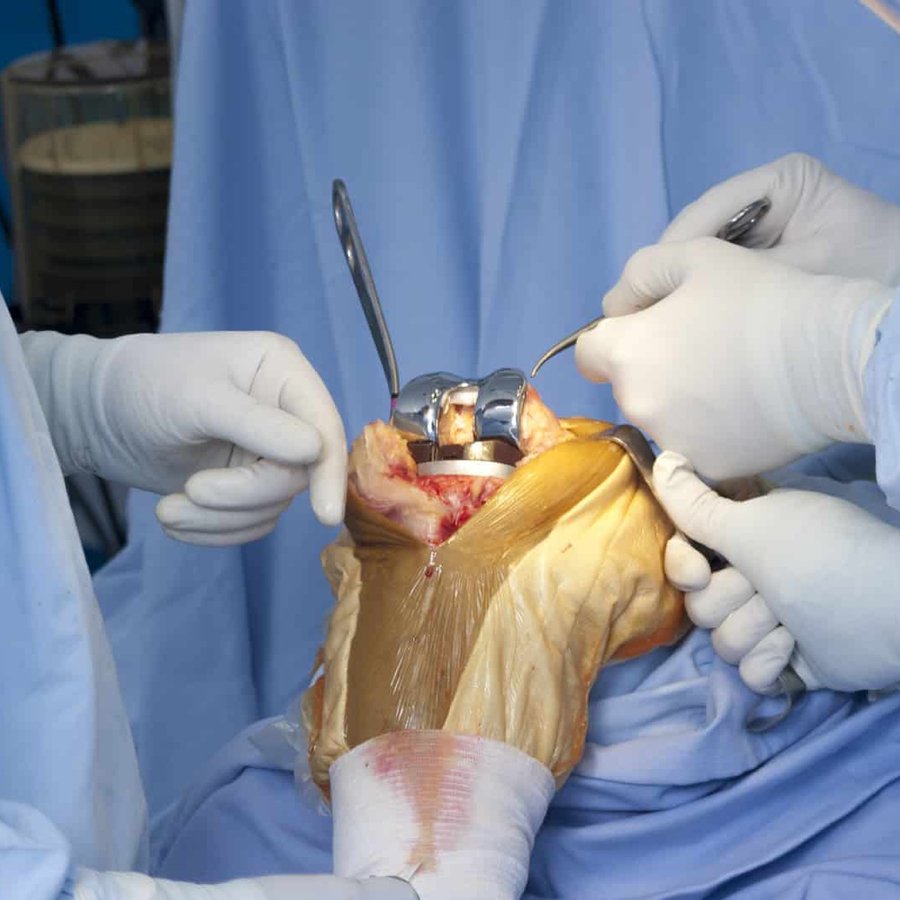
Several conditions can contribute to long-term knee pain and reduced function. Moreover, osteoarthritis, rheumatoid arthritis, cartilage damage, meniscus injuries, ligament problems, previous trauma, and certain fractures can affect the knee. Therefore, an orthopedic specialist should identify the underlying cause before recommending treatment. In addition, the doctor may assess knee alignment, movement, stability, swelling, and tenderness during the examination. However, different knee conditions can produce similar symptoms. As a result, proper diagnosis remains an important part of effective knee care.
Knee arthritis can gradually affect the joint and make everyday movement uncomfortable. Moreover, patients may notice pain while walking, standing, exercising, climbing stairs, or sitting for long periods. Therefore, a knee specialist can assess the severity of arthritis and discuss appropriate treatment options. In addition, treatment may include physiotherapy, strengthening exercises, medication, activity modification, weight management, selected injections, or surgery depending on the condition. However, arthritis does not automatically mean that you need a knee replacement. As a result, personalized medical advice can help you understand which option may suit your symptoms and lifestyle.
Persistent knee pain deserves professional attention when it starts affecting your routine. Moreover, difficulty walking, climbing stairs, standing, exercising, or sleeping because of knee discomfort may indicate the need for an evaluation. Therefore, you should consider consulting a Knee Replacement Surgeon In Chhindwara when symptoms become difficult to manage. In addition, swelling, stiffness, instability, and reduced movement can provide important information during assessment. However, these symptoms alone cannot confirm the need for replacement surgery. As a result, a proper diagnosis should come before choosing a surgical treatment.
A detailed evaluation helps the surgeon understand the cause and severity of knee damage. Moreover, the doctor may ask about the duration of pain, previous injuries, medicines, activity level, and earlier treatment. Therefore, the specialist can combine your medical history with a physical examination and relevant imaging. In addition, previous X-rays or scans can help the surgeon compare changes in the knee over time. However, imaging alone cannot determine the full treatment plan. As a result, the doctor should consider your symptoms, examination findings, imaging, and daily limitations together.
Many patients explore non-surgical options before considering knee replacement. Moreover, treatment may include physiotherapy, strength exercises, medication, activity modification, weight management, braces, or selected injections depending on the diagnosis. Therefore, conservative care can help some patients manage symptoms and improve function. In addition, regular follow-up allows the doctor to monitor progress and adjust the treatment plan. However, some patients with advanced joint damage may continue to experience significant symptoms despite these measures. As a result, the orthopedic specialist can explain when surgery may become an appropriate option.
A surgeon may discuss knee replacement when significant joint damage causes persistent pain and affects important daily activities. Moreover, doctors may consider surgery when appropriate non-surgical treatments do not provide enough improvement. Therefore, the orthopedic specialist should review your knee condition, general health, mobility, activity level, and previous treatments before recommending an operation. In addition, the discussion should cover benefits, risks, recovery, rehabilitation, and alternative options. However, pain alone does not determine whether knee replacement is necessary. As a result, a complete medical assessment should guide the decision.