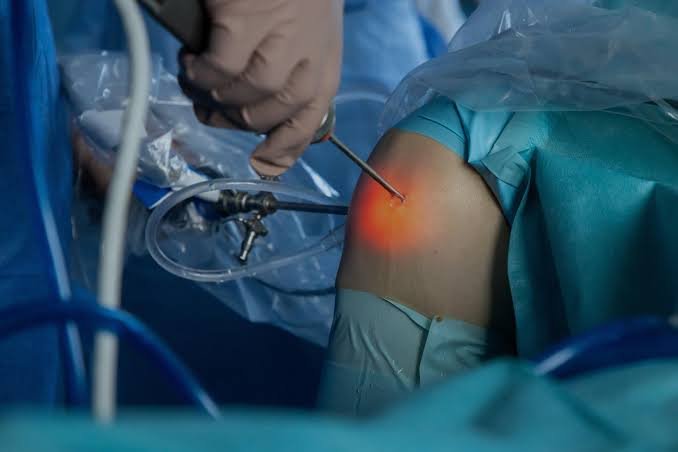
invasive knee surgery can use smaller incisions and specialized instruments for selected orthopedic procedures. Surgeons may choose these approaches when they fit the patients condition and surgical goals. Therefore a proper evaluation should come before selecting the invasive knee surgery. The orthopedic surgeon can explain the expected benefits, limitations, recovery plan and possible risks. However smaller incisions do not automatically guarantee recovery or better results, for every patient. As a result the choice of technique should follow the diagnosis and individual medical needs.
Knee pain can develop from arthritis, sports injuries, meniscus problems, ligament injuries, cartilage damage, overuse or previous trauma. The same symptom can occur with different conditions. Therefore identifying the problem remains an important first step. The orthopedic specialist may assess pain, movement, strength, stability, swelling and previous injuries during the consultation. However knee pain does not automatically require surgery. As a result the doctor can discuss physiotherapy, medication, activity changes, injections, invasive knee surgery or other treatments according to the diagnosis.
The exact steps depend on the knee condition and the procedure selected by the surgeon. Moreover, arthroscopic procedures generally use a small camera and specialized instruments to examine or treat selected structures inside the joint. Therefore, the surgeon should explain the planned technique before the operation. In addition, the doctor can discuss anesthesia, procedure time, recovery, rehabilitation, and possible complications. However, no single surgical technique works for every knee condition. As a result, patients should understand the actual procedure rather than rely only on terms such as “laser” or “advanced surgery.”
Physiotherapy can support recovery by improving knee movement, muscle strength, flexibility, balance, and functional control. Moreover, a physiotherapist can design exercises according to the procedure and your stage of recovery. Therefore, patients should perform exercises as instructed and gradually increase activity. In addition, guided rehabilitation can help rebuild confidence during walking and everyday tasks. However, doing too much too early can place stress on healing tissues. As a result, consistent and professionally guided rehabilitation remains an important part of recovery.
Return-to-work timing depends on the procedure, your job requirements, knee function, and recovery progress. Moreover, people with desk-based jobs may follow a different plan from those who perform heavy lifting, prolonged standing, or physically demanding tasks. Therefore, your surgeon can discuss when you may safely resume different work activities. In addition, physiotherapy can help rebuild the strength and movement required for your daily responsibilities. However, returning to demanding work too soon may affect recovery. As a result, follow the work and activity guidance provided by your healthcare team.
Active patients often want to return to running, gym workouts, cricket, football, badminton, or other sports after knee treatment. Moreover, these activities can place significant demands on knee strength, stability, coordination, and movement control. Therefore, rehabilitation should gradually prepare the knee for higher levels of activity. In addition, your surgeon and physiotherapist can assess your progress before you return to demanding sports. However, reduced pain does not always mean complete recovery. As a result, return to sports should follow appropriate rehabilitation and professional guidance.