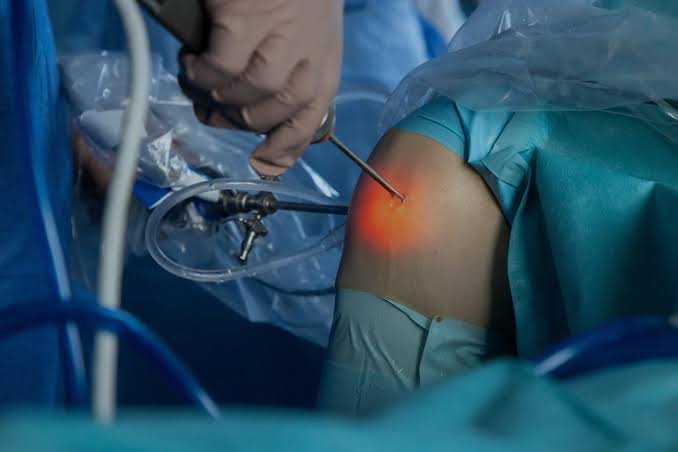
Minimally invasive knee procedures use smaller skin openings and specialized instruments for selected surgical treatments. Moreover, these techniques may help surgeons access certain structures while treating specific knee problems. Therefore, the orthopedic specialist should choose the approach according to the diagnosis rather than the procedure name alone. In addition, the doctor can discuss recovery, rehabilitation, activity restrictions, and possible complications before surgery. However, smaller incisions do not guarantee faster recovery or better results for every patient. As a result, your individual condition should guide the surgical approach.
Knee pain can develop because of arthritis, sports injuries, meniscus damage, ligament problems, cartilage changes, overuse, or previous trauma. Moreover, persistent pain can make walking, climbing stairs, exercising, sitting, or working uncomfortable. Therefore, an orthopedic doctor can examine knee movement, strength, swelling, and stability before suggesting treatment. In addition, treatment may include physiotherapy, exercises, medicines, activity changes, injections, or surgery depending on the diagnosis. However, knee pain does not automatically require an operation. As a result, a detailed evaluation can help you understand which treatment options may suit your condition.
Knee arthritis can gradually affect joint movement and make everyday activities more difficult. Moreover, patients may experience pain, stiffness, swelling, and reduced flexibility while walking, standing, exercising, or climbing stairs. Therefore, an orthopedic specialist can assess the severity of joint changes and discuss suitable treatment options. In addition, treatment may include physiotherapy, strengthening exercises, medicines, lifestyle changes, selected injections, or surgery when appropriate. However, arthritis does not automatically mean that you need knee replacement or another operation. As a result, personalized medical advice can help identify the most suitable treatment path.
Sports injuries can affect the ACL, meniscus, cartilage, tendons, and other knee structures. Moreover, sudden twisting, jumping, landing, collisions, or repetitive movements can contribute to these injuries. Therefore, athletes should seek professional assessment when pain, swelling, instability, or restricted movement continues after an injury. In addition, the orthopedic specialist can create a treatment plan according to the injury and sports goals. However, returning to intense activity too quickly can place extra stress on the recovering knee. As a result, gradual rehabilitation can help support a structured return to sports.
The meniscus helps distribute load and support movement inside the knee joint. Moreover, twisting injuries, sports activity, and age-related changes can contribute to meniscus damage. Therefore, an orthopedic specialist can assess symptoms such as pain, swelling, clicking, locking, or restricted movement before recommending treatment. In addition, imaging may provide useful information when clinically appropriate. However, some meniscus injuries respond to non-surgical care while other cases may require surgery. As a result, treatment should match the injury type, location, severity, symptoms, and activity requirements.
The anterior cruciate ligament, or ACL, helps provide knee stability during running, turning, jumping, and landing. Moreover, sudden changes in direction or awkward landings can injure this important ligament. Therefore, an orthopedic specialist should assess knee stability after a suspected ACL injury. In addition, treatment may include physiotherapy, activity modification, or reconstruction for selected patients. However, every ACL injury has different characteristics and treatment needs. As a result, the doctor should consider the injury, knee stability, activity goals, and associated damage before recommending surgery.