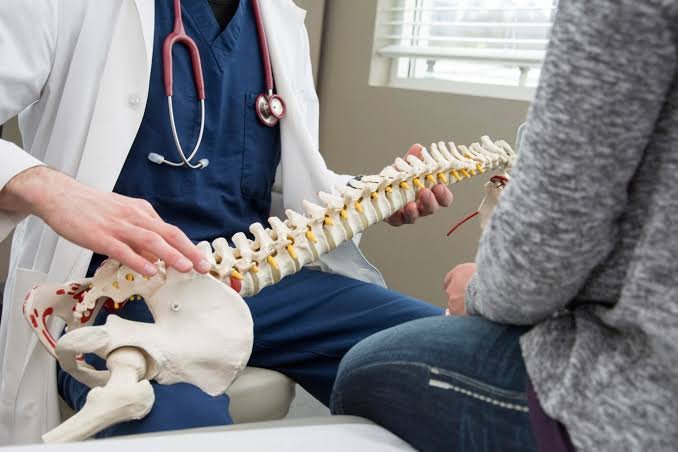
You should consider an orthopedic consultation when pain or movement problems start interfering with your daily routine. Moreover, symptoms such as persistent joint pain, swelling, stiffness, weakness, difficulty walking, restricted movement, or recurring sports injuries may require professional evaluation. Therefore, you should not ignore discomfort that continues or repeatedly returns. In addition, you may benefit from an orthopedic consultation after an accident, fall, sports injury, or other physical trauma. However, the urgency of care depends on your symptoms and circumstances. As a result, discussing persistent or concerning symptoms with a qualified doctor can help you understand the next appropriate step.
Knee pain can affect people of different ages and may develop because of arthritis, sports injuries, ligament problems, meniscus tears, overuse, or other joint conditions. Moreover, knee discomfort can make walking, climbing stairs, exercising, or completing everyday tasks more difficult. Therefore, an orthopedic doctor can examine your knee and assess your symptoms to understand the possible cause. In addition, treatment may include physiotherapy, medication, activity modification, injections, arthroscopic procedures, or joint replacement when clinically appropriate. However, your doctor should recommend treatment after evaluating your condition and understanding your individual needs.
Shoulder pain can interfere with lifting, reaching, dressing, exercising, and other routine activities. Moreover, athletes and physically active individuals can experience injuries involving the shoulder, knee, ligaments, tendons, or other joints. Therefore, an orthopedic specialist can evaluate the injury and help you understand available treatment options. In addition, orthopedic doctors can manage many sports-related concerns, including ACL injuries, meniscus injuries, ligament problems, and other musculoskeletal conditions. However, recovery depends on the type and severity of the injury. As a result, timely evaluation can help you follow an appropriate treatment and rehabilitation plan.
Orthopedic treatment depends on your diagnosis, symptoms, lifestyle, and overall health. Moreover, your doctor may begin with a physical examination and review of your medical history before suggesting further investigations or treatment. Therefore, treatment may include medication, physiotherapy, exercises, activity modification, supportive devices, injections, or surgery when necessary. In addition, orthopedic surgeons can perform procedures such as arthroscopy, ligament repair, fracture treatment, and joint replacement for suitable conditions. However, surgery does not suit every patient or every condition. As a result, your orthopedic specialist should explain the available options and help you understand the expected benefits, risks, and recovery requirements.
When searching for an Ortho Doctor near me, look beyond distance and consider factors that relate directly to your healthcare needs. Moreover, check the doctor’s qualifications, experience, area of orthopedic expertise, hospital facilities, diagnostic support, and approach to patient care. Therefore, patients with sports injuries may look for a specialist experienced in sports-related conditions, while people with advanced joint problems may seek a doctor who manages joint replacement and related care. In addition, consider whether the clinic provides convenient follow-up and rehabilitation support. However, your choice should reflect your specific symptoms and treatment requirements rather than relying only on online descriptions or location.
During your first orthopedic consultation, the doctor usually discusses your symptoms, medical history, previous injuries, lifestyle, and daily activities. Moreover, the doctor may examine the affected area and assess movement, strength, flexibility, and joint function. Therefore, your doctor can use this information to understand your condition and decide whether you need further evaluation. In addition, the doctor may recommend tests such as an X-ray, MRI, CT scan, or other investigations when appropriate. However, not every patient needs every test. As a result, bringing previous medical reports, prescriptions, and imaging records can help your doctor understand your medical history more efficiently.