
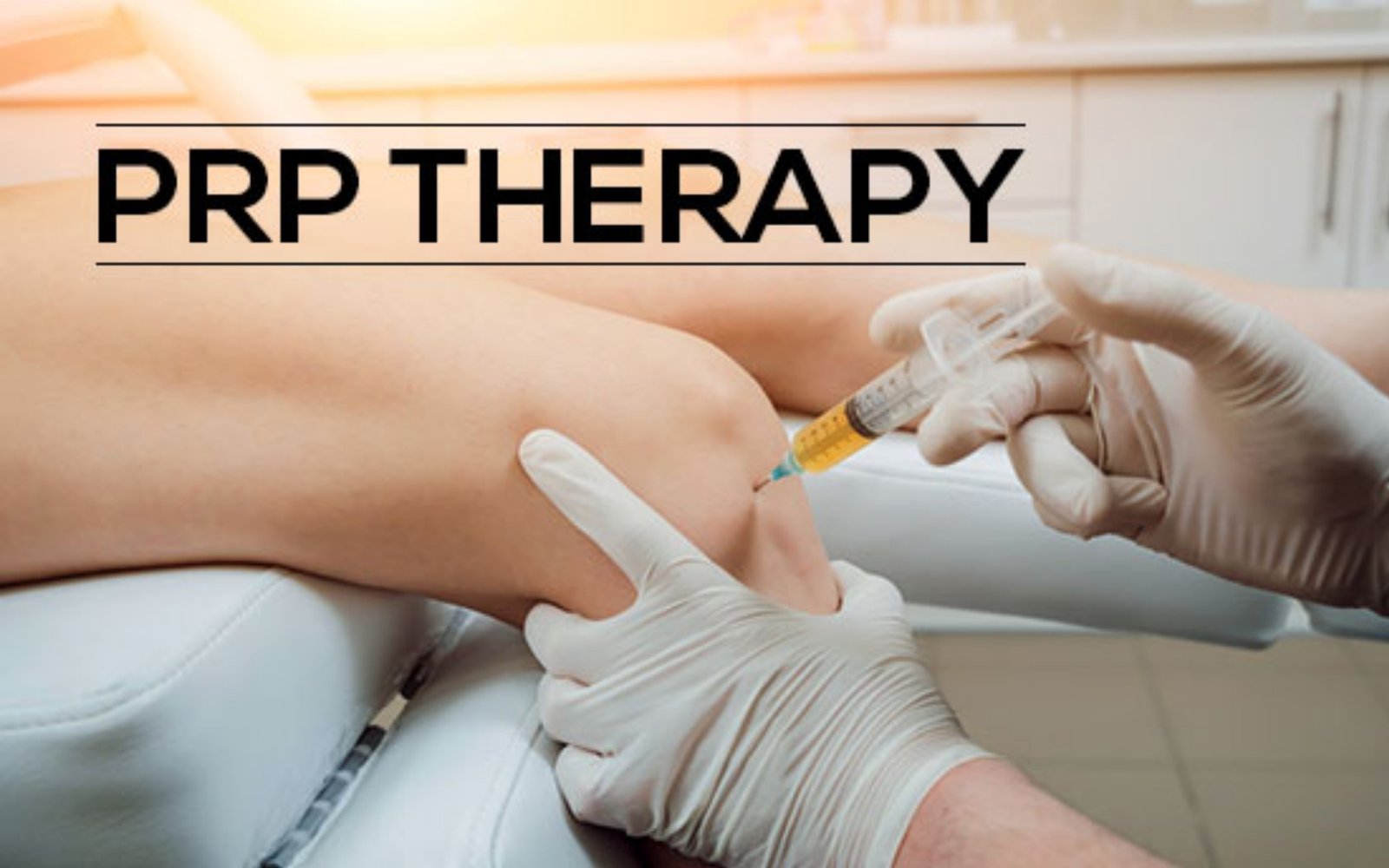
What is PRP Therapy?
PRP stands for Platelet-Rich Plasma. This treatment uses a concentrated form of platelets taken from the patient’s own blood. These platelets contain growth factors that help repair damaged tissues and support healing.
During the procedure, a small blood sample is collected and processed in a specialized machine to separate platelet-rich plasma. After that, the concentrated plasma is injected into the injured or painful area.
PRP injections may help reduce inflammation, support collagen production, and improve tissue healing.
Conditions Treated with PRP Therapy
Dr. Ambar Daware provides PRP treatment for several orthopedic and musculoskeletal conditions.
Knee Arthritis
PRP therapy may help reduce pain and improve movement in patients with knee osteoarthritis.
Shoulder Injuries
PRP supports healing for rotator cuff injuries, tendon inflammation, and shoulder pain.
Tennis Elbow
The treatment helps reduce chronic elbow pain caused by tendon overuse.
Ligament Injuries
PRP therapy may improve tissue healing and joint stability.
Sports Injuries
Athletes often choose PRP treatment for faster recovery and improved rehabilitation.
Plantar Fasciitis
PRP injections may reduce heel pain and tissue inflammation.
Tendon Injuries
The therapy supports tendon repair and reduces inflammation in damaged tissues.
Hip and Joint Pain
PRP treatment may help improve mobility and reduce chronic joint discomfort.
Benefits of PRP Treatment
PRP therapy provides several orthopedic benefits.
Natural Healing Process
The treatment uses the patient’s own blood components to support recovery naturally.
Reduced Pain and Inflammation
PRP injections may help decrease swelling and chronic joint pain.
Faster Recovery
Regenerative therapy may support quicker tissue healing and rehabilitation.
Minimally Invasive Procedure
PRP treatment avoids major surgery in many cases.
Improved Joint Function
Patients often experience better mobility and flexibility after treatment.
Low Risk Procedure
Because the treatment uses the patient’s own blood, complications are usually minimal.
How PRP Treatment Works
Step 1: Medical Evaluation
The orthopedic specialist examines the injury or painful joint carefully.
Step 2: Blood Collection
A small blood sample is taken from the patient.
Step 3: PRP Preparation
The blood sample is processed to concentrate platelets and growth factors.
Step 4: PRP Injection
The prepared platelet-rich plasma is injected into the targeted area.
Step 5: Rehabilitation and Recovery
Patients may receive physiotherapy guidance for improved recovery outcomes.
The entire process usually takes a short time and allows faster return to routine activities.
PRP Therapy for Knee Osteoarthritis
PRP therapy has become increasingly popular for knee arthritis treatment. Research suggests PRP injections may improve pain and function in patients with osteoarthritis.
Benefits for knee arthritis may include:
- Reduced knee pain
- Improved joint flexibility
- Better walking comfort
- Reduced inflammation
- Enhanced daily mobility
Many patients prefer PRP as a non-surgical treatment option for early joint degeneration.
PRP for Sports Injuries
Sports injuries often require quick and effective recovery strategies. Therefore, PRP therapy is widely used in sports medicine.
Athletes may benefit from:
- Faster tissue healing
- Reduced downtime
- Improved tendon recovery
- Better joint support
- Enhanced rehabilitation
PRP supports the body’s natural repair process and may help active individuals return to sports activities more comfortably.