
Shoulder Arthroscopy in Amravati: Modern Treatment for Shoulder Injuries
Understanding Shoulder Arthroscopy | Shoulder Arthroscopy In Amravati
Warning Signs That Need an Orthopedic Assessment
- Pain that continues despite rest and appropriate care.
- Difficulty lifting or rotating your arm.
- Weakness while carrying or raising objects.
- Shoulder discomfort that disturbs your sleep.
- Repeated dislocations or a feeling of joint instability.
- Painful clicking, catching, or restricted movement.
- Stiffness that affects dressing or personal care.
- Difficulty returning to sports or regular exercise.
Who May Benefit From Shoulder Arthroscopy?
Your orthopedic surgeon may discuss arthroscopy when an identifiable shoulder problem limits your daily activities and suitable nonsurgical treatment has not provided enough improvement. For example, selected rotator cuff tears, labral injuries, and recurrent instability may require surgical treatment. Moreover, the decision should reflect your goals, occupation, sports participation, general health, and the nature of the injury.
However, surgery is not the first choice for every shoulder condition. Many patients improve with rehabilitation, activity modification, or other conservative treatments. Therefore, ask your doctor to explain the expected benefits, possible complications, alternatives, and likely recovery requirements before deciding.Treatment Options Before Surgery
- Physiotherapy: A guided program can help improve movement, strength, and shoulder control.
- Activity adjustments: Temporarily reducing painful movements may help limit irritation and support recovery.
- Medication: Your doctor may recommend appropriate medicines to manage pain or inflammation.
- Selected injections: Depending on the diagnosis, a clinician may discuss an injection and explain its benefits and limitations.
- Home rehabilitation: A physiotherapist can teach suitable exercises and explain which movements to avoid.
What to Expect During Shoulder Arthroscopy
The process begins with a preoperative assessment. Your healthcare team reviews your medical history, medicines, allergies, and test results. In addition, the anesthesia team explains the planned anesthesia and answers your questions.
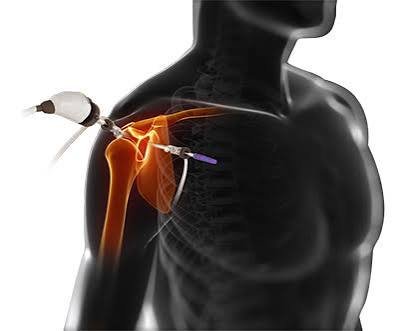
During surgery, the surgeon makes small incisions and inserts the arthroscope to examine the joint. Depending on the injury, the surgeon may repair a tendon, stabilize damaged tissue, or address another specific problem. However, the exact technique and procedure length vary according to the treatment required. After surgery, your care team monitors your condition and provides instructions about wound care, pain management, shoulder support, and movement restrictions. Therefore, follow the instructions carefully and attend your scheduled follow-up appointments.Potential Benefits of Arthroscopic Shoulder Surgery | Shoulder Arthroscopy In Amravati
When a patient needs surgery, arthroscopy can offer several potential advantages. However, the results depend on the injury, the procedure, and the patient’s rehabilitation.
- Smaller incisions: The surgeon accesses the joint through small openings.
- Detailed visualization: The camera provides a view of structures inside the shoulder.
- Targeted repair: Specialized instruments allow treatment of selected tendon, labral, and joint problems.
- Opportunity to improve function: Appropriate treatment may reduce symptoms and help restore movement.
- Planned rehabilitation: Follow-up care can help guide the return to everyday activities.
Possible Risks and Complications
- Infection at the incision or inside the joint.
- Bleeding or an adverse reaction to anesthesia.
- Shoulder stiffness or prolonged discomfort.
- Incomplete improvement in pain or movement.
- Nerve or blood vessel injury.
- Blood clots or other surgery-related complications.
- Failure of a repaired tendon or recurrence of instability.
Shoulder Arthroscopy Cost in Amravati | Shoulder Arthroscopy In Amravati
- Complexity and severity of the shoulder injury.
- Type of procedure and repair materials required.
- Surgeon and anesthesia fees.
- Hospital facilities and operating-room charges.
- Imaging, laboratory tests, and other investigations.
- Medicines and postoperative monitoring.
- Physiotherapy and follow-up appointments.
- Hospital stay, if your treatment requires one.
Choosing a Shoulder Arthroscopy Specialist in Amravati
- Does the doctor have relevant orthopedic training and experience treating shoulder conditions?
- Will the doctor explain nonsurgical options as well as surgical treatment?
- Can the specialist clearly describe the proposed procedure and its risks?
- What rehabilitation and follow-up support will I need?
- Which hospital facilities and surgical services are available?
- What expenses should I expect, including rehabilitation and follow-up visits?
Frequently Asked Questions | Shoulder Arthroscopy In Amravati
1. What does shoulder arthroscopy involve?
2. Which shoulder conditions can arthroscopy treat?
3. Can shoulder pain improve without surgery?
4. How long does shoulder arthroscopy recovery take?
5. Will I need a sling after surgery?
6. Can shoulder arthroscopy relieve pain?
Book a Consultation
Ongoing shoulder pain can interfere with work, sleep, household tasks, and recreational activities. Therefore, arrange an orthopedic assessment if your symptoms persist, your shoulder repeatedly feels unstable, or movement becomes increasingly restricted. A specialist can examine the joint, review relevant investigations, and explain which treatments may suit your condition.
Moreover, bring any previous imaging reports, prescriptions, and details of treatments you have tried. This information can help the doctor understand your medical history and plan the next steps. Remember, a consultation does not mean you must undergo surgery; it helps you make an informed decision about managing your shoulder problem.
Call Now: +91-7798189358+91-7798189358+91-7798189358+91-7798189358
Book Online:https://www.drambardaware.com/contact-us/
Location: Zenith Hospital – plot No,141,Garden Rd,Om Sai Nagar,Shivaji Nagar,Nagpur,Maharashtra 440010
Viveka Hospital -Plot No 1A, Naik Layout, Parsodi,Subhash Nagar, Nagpur, Maharashtra ,440022