
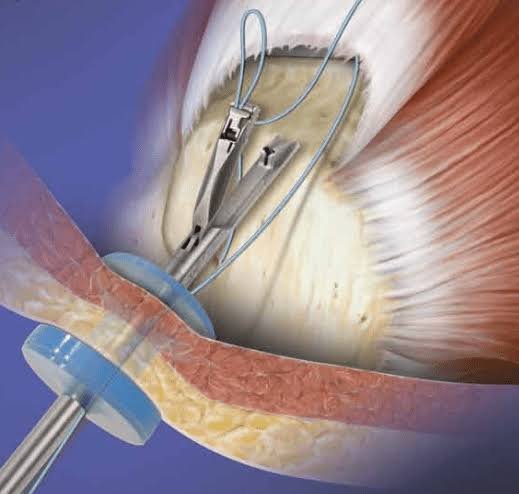
Shoulder Arthroscopy in Satna: Modern Solutions for Shoulder Pain
When Should You Consult a Shoulder Specialist in Satna? | Shoulder Arthroscopy In Satna
- Shoulder pain that continues despite initial treatment.
- Difficulty reaching overhead or lifting your arm.
- Weakness while carrying household items.
- Pain when sleeping on the affected side.
- Repeated episodes of shoulder slipping or dislocation.
- Clicking or catching sensations during movement.
- Reduced flexibility when reaching behind your back.
- Difficulty returning to work or sports after an injury.
Understanding Shoulder Arthroscopy
Potential Advantages of Shoulder Arthroscopy
For patients with suitable conditions, shoulder arthroscopy offers a way to treat specific joint problems through small incisions. The camera provides a close view of the joint, while specialized instruments allow the surgeon to perform targeted procedures.
Possible advantages include:
Smaller surgical incisions: Arthroscopy generally uses smaller entry points than traditional open surgery.
Direct joint inspection: The surgeon can examine selected structures inside the shoulder.
Targeted treatment: Certain tendon, cartilage, and stabilizing tissue injuries can be treated during the procedure.
Limited disruption to surrounding tissues: The technique may reduce tissue disruption in suitable cases.
Condition-specific repair: Surgeons can address identified problems rather than relying only on symptom management.
Treatment Options Before Considering Surgery
An orthopedic specialist may recommend conservative treatment before discussing an operation, depending on the cause and severity of your symptoms. Many shoulder conditions respond to non-surgical care, especially when the treatment plan addresses the underlying problem and allows enough time for improvement.
Common approaches include:
Physiotherapy: Guided exercises can improve flexibility, movement control, and muscle strength.
Activity adjustments: Temporarily reducing painful movements may help limit further irritation.
Prescribed medication: Your doctor can recommend suitable medicines after reviewing your health and other medications.
Cold or heat application: Your healthcare professional can explain which option may help manage your symptoms.
Selected injections: A specialist may discuss injections when appropriate for your diagnosis.
Home exercise programs: Professionally recommended exercises can support gradual improvement.
How Orthopedic Specialists Evaluate Shoulder Problems
A proper diagnosis helps prevent unnecessary treatment and supports better planning. During your consultation, the doctor will ask when the pain started, whether an injury occurred, which movements cause discomfort, and how the symptoms affect your routine. The specialist will also assess shoulder movement, strength, tenderness, and stability.
Your doctor may recommend imaging to investigate the affected structures. An X-ray can help identify certain bone abnormalities, fractures, or joint changes. Ultrasound or MRI may provide additional information about tendons, ligaments, and other soft tissues. In some situations, the specialist may request further tests to clarify the diagnosis. After reviewing the available findings, your doctor will explain the likely cause of your symptoms and discuss suitable treatment options. This assessment helps determine whether rehabilitation, continued observation, arthroscopy, or another procedure best matches your needs.What to Expect During Shoulder Arthroscopy | Shoulder Arthroscopy In Satna
Preparing for Shoulder Arthroscopy in Satna
Good preparation can help you understand the procedure and arrange practical support during recovery. Before surgery, provide your doctor with accurate information about your medical history, allergies, current medicines, and previous operations. Your healthcare team may recommend blood tests or other investigations based on your health and the planned procedure.
You should also discuss anesthesia, hospital arrangements, expected expenses, rehabilitation, and postoperative restrictions. Arrange assistance with household tasks and personal care if your shoulder movement will remain limited after surgery. Keep frequently used items within easy reach and prepare a comfortable resting area.
Most importantly, follow your surgeon’s instructions about fasting, medication adjustments, and preparation on the day of surgery. Do not stop prescribed medicines or change their doses without medical guidance.
Risks and Complications to Understand | Shoulder Arthroscopy In Satna
Shoulder arthroscopy is commonly used for selected shoulder conditions, but it still carries potential risks. The likelihood of complications varies according to your medical history, the procedure, and the condition being treated.
Possible complications include:
Infection at the incision site or inside the joint.
Bleeding, bruising, or swelling.
Persistent pain or restricted movement.
Nerve or blood vessel injury.
Blood clots, which occur infrequently.
Delayed healing or failure of a repaired tendon to heal properly.
Continued symptoms or recurrence of shoulder instability.
The need for additional treatment or surgery.
Choosing an Orthopedic Surgeon for Shoulder Arthroscopy in Satna
Frequently Asked Questions
1. What does shoulder arthroscopy treat?
2. Who should consider shoulder arthroscopy in Satna?
3. Is surgery necessary for every shoulder injury?
4. Does shoulder arthroscopy use large incisions?
5. Can arthroscopy repair a torn rotator cuff?
6. Which tests help diagnose shoulder injuries?
Book a Consultation
Ongoing shoulder pain, weakness, or stiffness can make routine activities frustrating and limit your independence. However, the right treatment begins with identifying the underlying condition rather than choosing surgery based on symptoms alone. An orthopedic consultation can help you understand the available options and decide on a suitable care plan.
If you are looking for shoulder arthroscopy in Satna, contact an orthopedic clinic or hospital to schedule an appointment. Discuss your symptoms, previous treatment, and activity limitations with the specialist. You can also ask about diagnostic tests, surgical suitability, expected recovery, and rehabilitation. With a clear assessment and an individualized treatment plan, you can take informed steps toward improving shoulder function.
Call Now: +91-7798189358+91-7798189358+91-7798189358+91-7798189358
Book Online:https://www.drambardaware.com/contact-us/
Location: Zenith Hospital – plot No,141,Garden Rd,Om Sai Nagar,Shivaji Nagar,Nagpur,Maharashtra 440010
Viveka Hospital -Plot No 1A, Naik Layout, Parsodi,Subhash Nagar, Nagpur, Maharashtra ,440022