
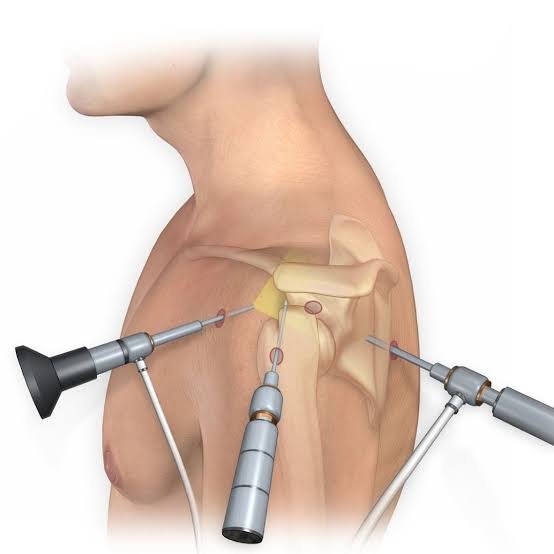
Shoulder Arthroscopy In Nagpur
What Is Shoulder Arthroscopy? | Shoulder Arthroscopy In Nagpur
When Do You Need Shoulder Arthroscopy?
Shoulder problems can develop because of sports injuries, repetitive movements, accidents, or age-related changes. However, not every shoulder condition requires surgery. A specialist may recommend shoulder arthroscopy when symptoms continue despite appropriate nonsurgical treatment.
Common conditions include:
Rotator cuff tears: Damage to the tendons that help you lift and rotate your arm.
Shoulder instability: Repeated dislocations or a feeling that the shoulder may slip out of place.
Labral tears: Damage to the cartilage around the shoulder socket.
Shoulder impingement: Painful compression of tissues during certain arm movements.
Selected cases of frozen shoulder: Persistent stiffness that may require a procedure when other treatments fail.
Inflammation or damaged tissue: Specific problems that a surgeon can treat through arthroscopy.
Moreover, your doctor will assess your symptoms, physical examination, medical history, and imaging results before recommending treatment.
Benefits of Shoulder Arthroscopy
Shoulder arthroscopy can offer several advantages for suitable patients. However, the results depend on the underlying condition, the type of repair, and your overall health.
Potential benefits include:
Small incisions: The surgeon works through small openings rather than a large incision.
Detailed joint assessment: A camera helps the surgeon examine structures inside the shoulder.
Targeted treatment: Specialised instruments allow the surgeon to repair selected tissue damage.
Potentially less soft-tissue disruption: Arthroscopy may reduce disruption compared with some open procedures.
A planned rehabilitation process: Guided exercises help patients regain movement and strength after surgery.
Nevertheless, shoulder arthroscopy still carries risks, including infection, stiffness, bleeding, nerve injury, and incomplete symptom relief. Therefore, discuss the expected benefits and possible complications with your orthopedic surgeon.
Shoulder Arthroscopy Treatment In Nagpur
Choosing the right treatment starts with an accurate diagnosis. At a shoulder arthroscopy consultation in Nagpur, an orthopedic specialist can assess your pain, shoulder movement, muscle strength, and previous treatment history. In addition, the doctor may recommend an X-ray, ultrasound, or MRI when appropriate to understand the cause of your symptoms.
Based on these findings, your doctor may suggest physiotherapy, medication, activity modification, or surgery. Moreover, if shoulder arthroscopy offers a suitable solution, the surgeon can explain the procedure, preparation, recovery expectations, and follow-up care. Therefore, you can make an informed decision about your treatment.
What Happens During Shoulder Arthroscopy?
Recovery After Shoulder Arthroscopy | Shoulder Arthroscopy In Nagpur
How to Prepare for Shoulder Arthroscopy
How to Choose a Shoulder Arthroscopy Specialist In Nagpur
Warning Signs After Shoulder Arthroscopy
Recognising unusual symptoms after surgery can help you seek timely medical care. Although mild pain, swelling, and bruising may occur during recovery, certain warning signs require prompt attention.
Contact your surgical team if you notice:- Increasing shoulder pain or swelling that does not improve.
- Redness, warmth, pus, or unusual discharge around an incision.
- Fever or chills.
- New or worsening numbness, tingling, or weakness in your arm or hand.
- Persistent wound bleeding or unexpected changes in the incision.
Frequently Asked Questions
1. What is shoulder arthroscopy?
2. When do doctors recommend shoulder arthroscopy?
3. Is shoulder arthroscopy a major surgery?
5. How long does recovery take after shoulder arthroscopy?
5. How long does hip replacement surgery take?
6. Is shoulder arthroscopy painful?
Book a Consultation
Persistent shoulder pain, weakness, or restricted movement can interfere with your everyday routine. However, an accurate diagnosis can help you understand the available treatment options. If your symptoms continue despite appropriate nonsurgical care, consult an orthopedic specialist to discuss whether shoulder arthroscopy may suit your condition. Moreover, early assessment can help your doctor develop a treatment plan based on your individual needs. Contact a qualified shoulder specialist in Nagpur to arrange a consultation and learn about the next steps toward recovery.
Schedule your consultation today and take the first step towards better mobility and a more active life.
Call Now: +91-7798189358+91-7798189358+91-7798189358+91-7798189358
Book Online:https://www.drambardaware.com/contact-us/
Location: Zenith Hospital – plot No,141,Garden Rd,Om Sai Nagar,Shivaji Nagar,Nagpur,Maharashtra 440010
Viveka Hospital -Plot No 1A, Naik Layout, Parsodi,Subhash Nagar, Nagpur, Maharashtra ,440022