
Advanced Shoulder Replacement Surgery in Nagpur
What is Shoulder Replacement Surgery?
Shoulder replacement surgery is a procedure that replaces damaged parts of the shoulder joint with artificial implants. The surgery improves joint movement and significantly reduces pain caused by arthritis, fractures, or severe joint degeneration.
During the procedure, the damaged bone and cartilage are removed carefully. After that, specialized prosthetic components replace the affected joint surfaces. As a result, patients experience smoother shoulder movement and better strength.
Modern surgical techniques now provide safer procedures, faster recovery, and improved long-term outcomes.
Shoulder Conditions Treated with Replacement Surgery
Dr. Ambar Daware treats various shoulder problems that may require replacement surgery.
Severe Osteoarthritis
Osteoarthritis slowly damages shoulder cartilage. Consequently, patients experience stiffness, swelling, and chronic pain.
Rheumatoid Arthritis
This inflammatory condition affects joint lining and damages shoulder structures over time.
Rotator Cuff Tear Arthropathy
Large rotator cuff tears can weaken shoulder stability and create painful joint arthritis.
Complex Shoulder Fractures
Some fractures cannot heal properly with conservative treatment. Therefore, shoulder replacement may become necessary.
Avascular Necrosis
Reduced blood supply damages shoulder bones and causes joint collapse.
Symptoms That May Indicate Need for Shoulder Replacement
You should consult an orthopedic specialist if you experience:
- Persistent shoulder pain
- Difficulty lifting the arm
- Reduced shoulder movement
- Shoulder stiffness
- Clicking or grinding sounds
- Weakness during daily activities
- Pain while sleeping
- Failed response to medications or physiotherapy
Early diagnosis helps prevent further joint damage and improves treatment success.
Types of Shoulder Replacement Surgery
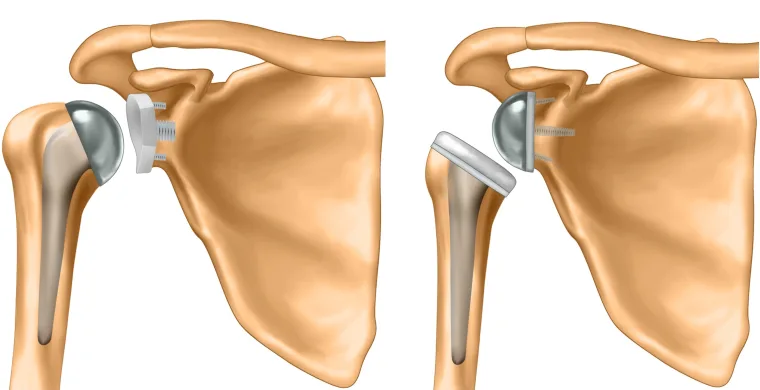
Total Shoulder Replacement
This procedure replaces both the ball and socket portions of the shoulder joint.
Reverse Shoulder Replacement
Reverse shoulder replacement helps patients with severe rotator cuff damage. In this procedure, the joint structure is reversed to improve shoulder function.
Partial Shoulder Replacement
Only the damaged part of the shoulder gets replaced during partial replacement surgery.
Dr. Ambar Daware carefully selects the most suitable procedure according to the patient’s condition, age, and activity level.
Benefits of Shoulder Replacement Surgery
Shoulder replacement provides several long-term benefits.
Pain Relief
The surgery significantly reduces chronic shoulder pain and discomfort.
Improved Mobility
Patients can move their shoulders more comfortably after recovery.
Better Quality of Life
Daily activities become easier and more comfortable.
Enhanced Strength
The procedure improves shoulder stability and muscle function.
Long-Term Joint Function
Modern implants provide durable support and lasting results.